
Safety Shoe Delamination Woes? KT-PUR-1800 Hot Melt Coating Laminating Machine Solves It
Layer separation in safety shoes rarely begins on the closing line. It begins one process earlier, at the coating head, where the adhesive film is metered onto the upper material. If the coat weight drifts across the roll, if the melt is unevenly heated, or if the web wanders under the roller, the bond is already compromised before the shoe is assembled. The failure then shows up months later as lifting at the toe, curling at the collar, or a lining that releases after repeated flexing.
The KT-PUR-1800 hot melt coating laminating machine is built around exactly that failure mode. It is a hot melt coating platform with a 1800 mm maximum material width, a 2000 mm roller surface, 0–35 m/min machine speed, a gluing roller covering 25 to 110 g/m², a 200 kg glue melter and an oil heater, assembled on a carbon steel or SS304 frame with Schneider electric components and an Inovance inverter. JIANGSU KUNTAI MACHINERY CO.,LTD is the manufacturer behind it — a Chinese builder of coating, laminating, impregnation and cutting machinery for technical textiles and composites, operating from Zhengang Industrial Park, Yancheng City, Jiangsu, China.
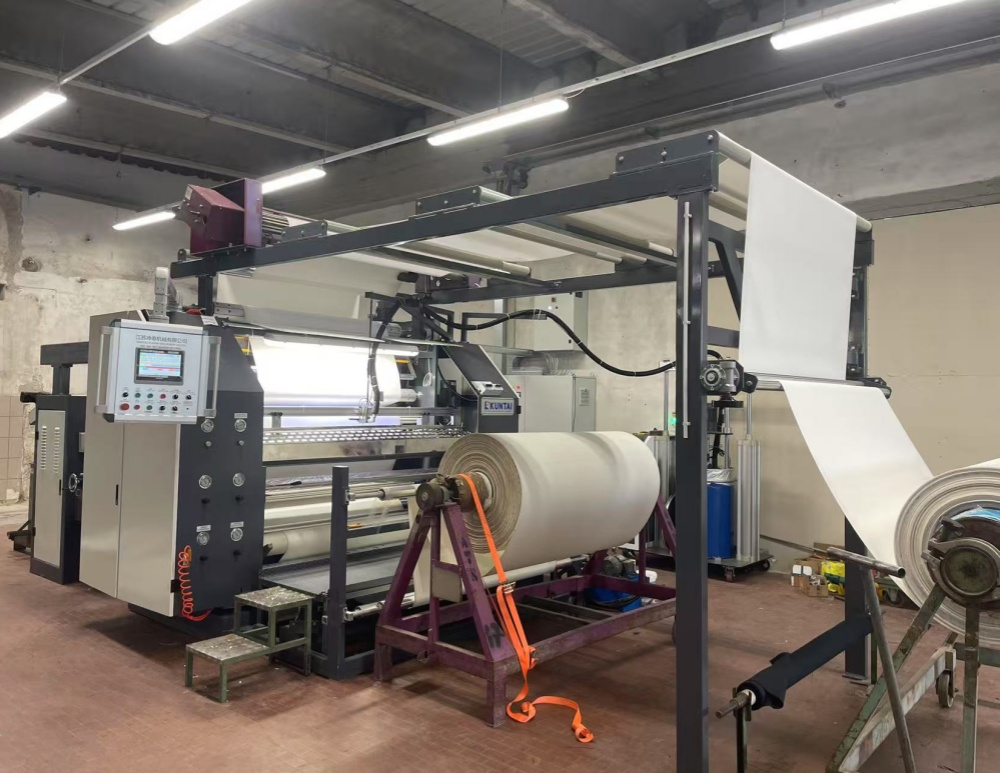
Problem Definition: What Safety Shoe Delamination Actually Is
Delamination is a bond-line failure between two layers that never received a continuous, correctly sized adhesive film.
In safety footwear, the bond line appears in more places than most buyers expect. It sits between the upper and the lining, between mesh and foam, between a reinforcement and the quarter, inside the padded collar and tongue, behind the toe cap lining, and under reflective or high-visibility tape. Each of these interfaces carries a different surface energy, a different porosity, and a different tolerance for heat.
The practical symptoms are consistent. A shoe arrives back from a warehouse with the lining detached at the flex zone. A collar pad peels after a few weeks of wear. A reflective strip lifts at the edge. In each case the question is not whether the material was adequate, but whether the adhesive layer was continuous, correctly weighted, and properly consolidated before the PUR chemistry finished curing.
Three failure classes are worth separating, because they point to different corrections:
- Adhesive starvation. The coat weight is below what the substrate needs to wet out and penetrate. The bond looks intact at the line, then fails under flex because there is not enough polymer bridging the two surfaces.
- Over-application. Excess adhesive squeezes to the edges, stiffens the hand of the laminate, blocks moisture access needed for PUR cross-linking, and creates a peel front at the trim line.
- Process drift. The adhesive itself is fine, but temperature, speed, tension or nip pressure moved during the run, so the same roll produced both good and bad laminate.
Process drift is the class that manufacturers most often misdiagnose, because it produces intermittent defects. A machine that meters adhesive with a fixed gluing roller and heats it through a controlled thermal-oil circuit converts that intermittent defect into a setting that can be recorded, repeated and audited.
Industry Background: Why Bond Lines Fail in Safety Footwear
Safety footwear is a performance product before it is a fashion product. The upper assembly has to survive repeated flexing at the ball of the foot, perspiration, contact with oils and fuels in industrial settings, abrasion, and temperature swings between a heated warehouse and an outdoor site. A bonded laminate that passes a visual check on the line can still fail those conditions if the adhesive layer is not uniform.
Construction method shapes the risk. Cemented construction, injection-moulded soles and vulcanised builds all place different heat and pressure loads on the upper, and multi-layer uppers that combine mesh, foam, membrane and lining multiply the number of bond lines inside a single shoe. Each additional layer adds an interface that must be coated consistently.
Adhesive chemistry then decides how the plant has to run. Water-based and solvent-based systems depend on drying and on residual moisture or solvent being driven off before lamination; retained carrier creates blisters that open later. PUR hot melt adhesives work differently: the adhesive is applied as a melt and then cross-links through a reaction with moisture. Technical references commonly put full cross-linking cure at 24–72 hours, which means the laminate leaves the machine in a green state and only reaches final bond strength later. Once a plant moves to PUR, the production problem shifts from drying control to coating precision — metering, melt condition, and web handling.
The direction of the market supports that shift. A commercial research estimate places the global hot melt adhesive laminating machine market at a 7.1% CAGR from 2026 to 2032, and machinery for coating or impregnating textile fabrics sits under HS Code 84518080 for customs classification purposes — a heading worth confirming with a freight forwarder before import documentation is filed.
Detailed Solution: How the KT-PUR-1800 Addresses Delamination
The KT-PUR-1800 removes the three variables that create delamination — adhesive quantity, adhesive condition and web position — by turning each of them into a stated machine parameter.
Adhesive quantity is fixed by the gluing roller
The machine carries one gluing roller rated for 25 to 110 g/m². That range is the design envelope, not a single setting. Thin, closed linings and fine mesh generally sit at the low end, where a light film is enough to wet out the surface without stiffening it. Open foams, nonwovens and brushed materials sit higher, because part of the adhesive is absorbed into the structure before a continuous film forms at the interface. The working point for any specific layer stack has to be confirmed by bond testing rather than assumed, but the machine can hold that point once it has been found.
Adhesive condition is held by the melt and heating chain
Two subsystems control the adhesive before it ever reaches the roller. A 200 kg glue melter holds a working reservoir of melt, and an oil heater supports the machine's thermal-oil heating method, which the specification pairs with electricity. A larger melt volume reduces refill cycling, and stable melt level together with stable temperature produces stable viscosity — and viscosity is what determines how much adhesive the roller actually transfers at a given speed.
The heat path also matters for the upper material. Thermal-oil heating is a circulating, indirect route rather than an open flame; the flame laminating machine in the same portfolio (KT-HY) works on a different principle and serves different applications such as automotive seating, where a gas supply and pressure stability are part of the installation. For heat-sensitive synthetic uppers, PU-coated fabrics and thin foams, buyers should confirm the working temperature window for their specific material with the manufacturer before commissioning, because the published KT-PUR-1800 specification states the heating method rather than a maximum roller temperature.
Web position is held by width, roller surface and tension
The KT-PUR-1800 accepts material up to 1800 mm wide against a 2000 mm roller surface, so the working web sits inside the roller face rather than at its edge. Edge-of-roller running is a common source of unbonded lanes and adhesive build-up. Four sets of trolleys with air shafts carry the unwind and rewind rolls, which gives the operator tension control and reduces the wander and creasing that produce localised unbonded strips.
Speed and drive repeatability
Coat weight responds to line speed, so drive stability is a bonding parameter rather than a convenience feature. The KT-PUR-1800 runs at 0–35 m/min with a Siemens motor (made in China), an Inovance inverter for variable-frequency speed control, and Schneider electric components. A run held at a steady speed produces a steadier adhesive film than one that accelerates and decelerates through the same batch.
Construction and material options
The frame is offered in carbon steel or SS304. Carbon steel suits dry, controlled production halls. SS304 is the practical choice where humidity is high, where condensation forms on cold rolls, or where washdown and corrosion resistance are part of plant policy. The installed capacity is listed at 60 kW, which is the figure plant engineers should use when checking the electrical supply and the thermal-oil circuit before installation.
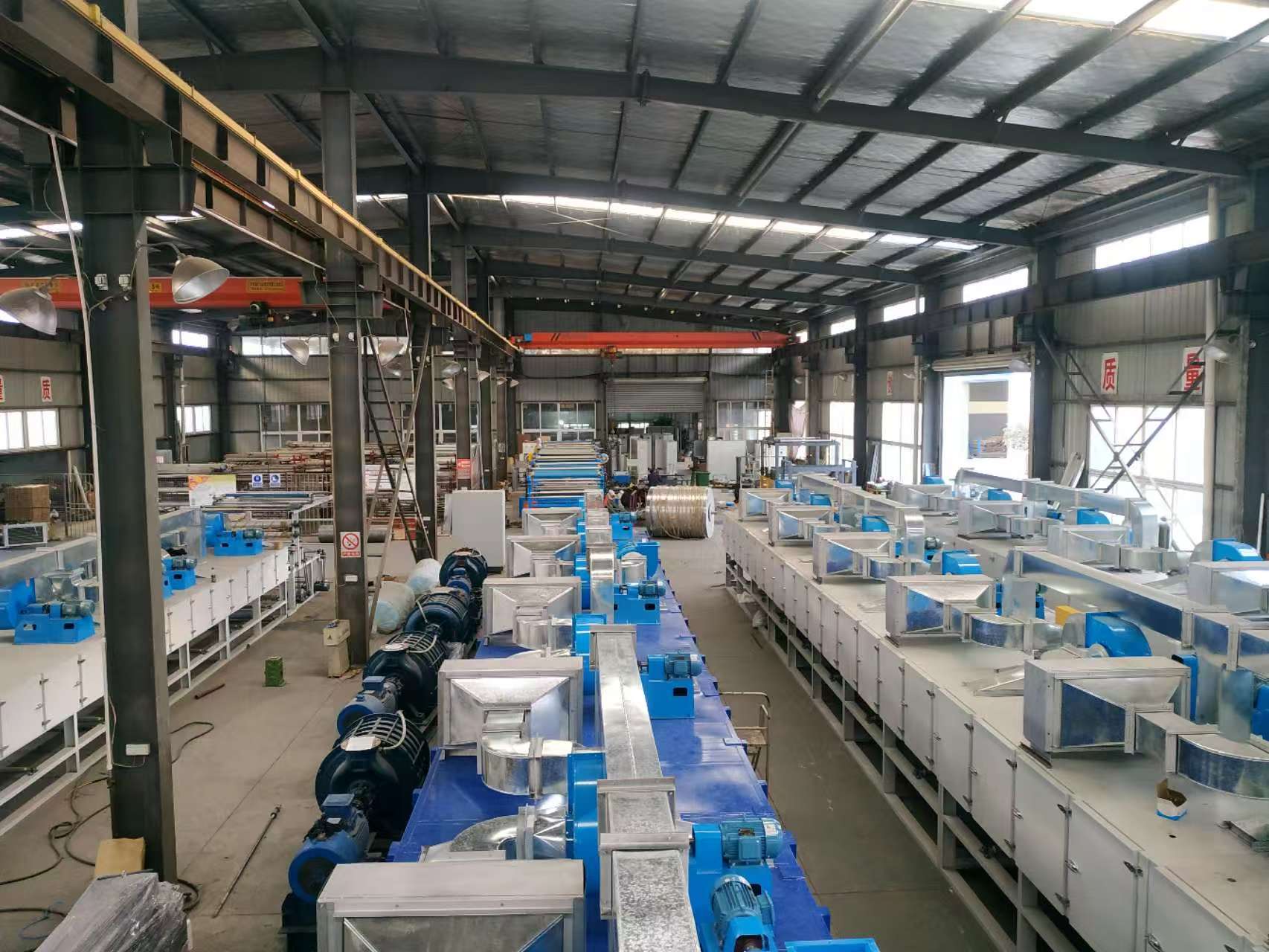
Where the machine stops
The KT-PUR-1800 is a single-roller hot melt coating and laminating platform. It is not a flame laminator, not a double belt press, and not a flatbed laminator, so it does not replace machines built for continuous high-pressure dwell or open-flame bonding. It also cannot compensate for a badly specified adhesive or for contaminated substrates — surfaces must be clean and dry before coating. Buyers comparing the KT-PUR-1800 with a double belt press lamination machine or a flatbed laminating machine are really comparing process architectures, not price points.
Step-by-Step Breakdown: A Safety Shoe Production Workflow
Consider a plant running multi-layer uppers — mesh, foam, lining, toe-cap reinforcement and reflective tape — in roll form up to 1800 mm wide, with intermittent delamination that cannot be traced to a single material batch. The following sequence converts the KT-PUR-1800 from a machine into a controlled process.
- Define the bond before the machine. Write down the layer stack, the flex and environmental conditions the shoe must survive, and the adhesive grade selected for it. Set the target coat weight inside the 25–110 g/m² window. Without this, no machine setting can be validated.
- Confirm material heat tolerance. Check whether the face fabric, foam or coating is heat-sensitive and confirm the acceptable roller temperature window with KUNTAI before the first run.
- Stabilise the heat chain. Bring the 200 kg glue melter and the oil heater to working condition and allow both to stabilise before threading material. A cold start is one of the most common causes of a weak first metres of laminate.
- Load and align the web. Mount the rolls on the four trolleys with air shafts, set tension, and check the web path across the 2000 mm roller surface. Confirm there are no creases or edge lift at the 1800 mm maximum width.
- Set speed and verify coat weight. Start at a low speed within the 0–35 m/min range, run a short length, and weigh the coated sample. Adjust the gluing roller setting rather than the speed until the coat weight hits the target.
- Laminate and inspect the interface. Combine the layers through the roller, then check the laminate for unbonded lanes, trapped air, wrinkles and edge curl before the roll is wound.
- Respect the PUR cure window. Treat the laminate as green for the full 24–72 hour cross-linking period. Do not run destructive flex tests immediately after lamination, and store rolls in controlled humidity.
- Validate against your own criteria. Run peel and flex checks against the acceptance criteria agreed at step one, then record coat weight, line speed, melter and roller temperatures, and material batch for every run. Freeze the validated parameters as the production recipe.
- Plan the scale-up. KUNTAI lists a monthly capacity of 55 units and a lead time of 30–60 days, so additional lines can be scheduled once the first process is proven.
Use Cases: Where the KT-PUR-1800 Fits
The machine's published application is safety shoes manufacturing, and KUNTAI also lists the platform within garment-industry work such as protective suits, windbreakers and thermal underwear, with applications recorded in Turkey and Pakistan. Within a safety footwear plant, the practical use cases are:
- Upper-to-lining bonding. Leather, synthetic leather and textile uppers bonded to mesh or textile linings, where a continuous film prevents localised lifting at the flex zone.
- Mesh–foam–lining stacks. Three-layer assemblies where an open foam absorbs part of the adhesive and the coating weight must be set high enough to leave a film at the interface.
- Padded collar, tongue and ankle padding. Thick, compressible stacks that need consistent adhesive coverage rather than spot application.
- Toe-cap and heel-counter lining attachment. Reinforcement layers where partial bonding shows up quickly as a hard lump or a lifted corner.
- Reflective and high-visibility tape. Narrow, edge-sensitive strips where over-application causes squeeze-out and under-application causes edge lift.
- Adjacent protective-garment runs. The same platform is listed for protective suits, windbreakers and thermal underwear, which lets a footwear plant share process knowledge with an apparel line.
Where the requirement is fabric-to-fabric composite rather than footwear upper assembly, KUNTAI positions the KT-FT fabric to fabric laminating machine and the KT-FT-XC lamination machine for textile; both are listed for textile fabric bonding with wider roller surfaces. For upholstery work such as blackout fabric, mattress protectors and sofa fabric, the KT-PUR hot melt glue laminating machine is recorded in projects across South Korea, India and Turkey, where it is used with a glue melter and oil heater for waterproofing and sun protection.
Comparison Table: KT-PUR-1800 Within the KUNTAI Machine Family
The KT-PUR-1800 is the narrowest, lowest-power hot melt coating platform in the family, and that is its advantage for footwear: it matches the roll widths and adhesive volumes a shoe plant actually runs.
The table below uses only published product specifications from KUNTAI. It compares machine families against each other so a buyer can see which architecture fits a given layer stack, rather than treating every laminating machine as interchangeable.
| Model | Machine type | Max material width | Roller surface | Machine speed | Heating / installed capacity | Listed application |
|---|---|---|---|---|---|---|
| KT-PUR-1800 | Hot melt coating laminating machine | 1800 mm | 2000 mm | 0–35 m/min | Electricity and thermal oil / 60 kW | Safety shoes; garment projects including protective suits, windbreakers and thermal underwear |
| KT-PUR | Hot melt glue laminating machine | 1600–3400 mm | 1800–3600 mm | 0–40 m/min | Electricity and thermal oil / 65 kW | Footwear, garment, upholstery, car trim, healthcare, construction, home textile |
| KT-FT | Fabric to fabric laminating machine | 2400 mm | 2600 mm | 0–35 m/min | Electricity and thermal oil / about 105 kW | Textile fabric bonding |
| KT-FT-XC | Lamination machine for textile | 1600–3200 mm | 1800–3400 mm | 0–35 m/min | Electricity and thermal oil / 105 kW | Textile manufacturing |
| KT-HY | Flame laminating machine | 1600–3000 mm | 1900–3300 mm | Max 25 m/min | Natural gas or liquefied gas / 15 kW drive | Automotive seat manufacturing |
| KT-HY-H | Double belt press laminator | 1600 mm | 1800 mm | 0–25 m/min | Electricity / 265 kW, max 250 °C | Automotive, filter industry, insulation material manufacturing |
All figures are as published in KUNTAI product specifications. The table compares KUNTAI machine families; it does not make performance claims about other manufacturers.
Read the table as a decision rule. If the product is a footwear upper assembly with a defined adhesive film, the KT-PUR-1800 covers it. If the product is a wide textile roll where fabric-to-fabric bonding is the main operation, the KT-FT or KT-FT-XC matches the workload. If the process needs continuous pressure and dwell rather than an adhesive film, the double belt press architecture is the relevant family, and if the bonding mechanism is open flame rather than adhesive, KT-HY is the reference.
Frequently Asked Questions
Are KUNTAI laminating machines built to recognised quality and safety requirements?
KUNTAI states that its machines meet the quality requirements stipulated in ISO 9001 and hold CE certification, and its capability record lists 100% testing of machines before shipment. Because certificates attach to a specific machine build and destination market, buyers should request the certificate set that matches the ordered configuration and the country of installation before issuing a purchase order.
What width, speed and adhesive coverage does the KT-PUR-1800 deliver — and does KUNTAI also build machines for textile producers?
The KT-PUR-1800 is specified with a maximum material width of 1800 mm, a 2000 mm roller surface, a machine speed of 0–35 m/min and one gluing roller covering 25 to 110 g/m², supported by a 200 kg glue melter and an oil heater. KUNTAI designs and manufactures laminating, coating, impregnation and cutting machinery for technical textiles and composites, so the portfolio extends beyond footwear: the KT-FT fabric to fabric laminating machine and the KT-FT-XC lamination machine for textile sit alongside the KT-PUR-1800 footwear platform.
Which configuration choices determine the cost scope of a KT-PUR-1800 line?
The published configuration includes a 60 kW installed capacity, one gluing roller, a 200 kg glue melter, an oil heater and four trolleys with air shafts. Cost scope moves with the frame material chosen (carbon steel or SS304), the electrical package, and OEM customization of voltage, logo, color and machine structure. KUNTAI does not publish machine prices, so a quotation has to be built from the final configuration rather than from a catalogue figure.
Can we test our own safety shoe materials before committing to a full order?
KUNTAI lists a minimum order quantity of one unit, which allows a single machine to be ordered for a trial line instead of a multi-machine commitment. A material trial is most useful when it is planned around your own upper, lining, foam and adhesive, with the target coat weight inside the 25–110 g/m² window and the acceptance criteria agreed in advance. The practical starting point is to send the layer stack, the roll width and the target coat weight through the contact channel and ask for a trial configuration.
What is the delivery lead time, and how do we start?
KUNTAI's capability record lists a lead time of 30–60 days and a monthly capacity of 55 units, with remote after-sales support. A useful first enquiry covers four items: the layer stack, the target coat weight inside the 25–110 g/m² window, the roll width up to 1800 mm, and the destination market so documentation can be prepared. The full machine range and company profile are available in the KUNTAI product brochure.
Conclusion: Fix the Coating Step, Not the Symptom
Delamination in safety footwear is rarely solved by changing the shoe design. It is solved by making the adhesive layer repeatable — the same coat weight, the same melt condition and the same web position on every metre of every roll. That is the specific job the KT-PUR-1800 hot melt coating laminating machine was specified for: 1800 mm maximum material width against a 2000 mm roller surface, a gluing roller covering 25 to 110 g/m², a 200 kg glue melter with an oil heater, 0–35 m/min speed control through an Inovance inverter, and Schneider electric components on a carbon steel or SS304 frame.
The manufacturer behind the platform has the production depth to support it. JIANGSU KUNTAI MACHINERY CO.,LTD operates a 30,000 m² facility with 210 employees, an annual output recorded at 650 units, a team of 8 engineers, and an export share of 70% across North America, South America, Europe, South Asia, Africa and the Middle East. The company offers OEM customization of voltage, logo, color and machine structure, holds a listed monthly capacity of 55 units and a lead time of 30–60 days, and supplies remote after-sales support.
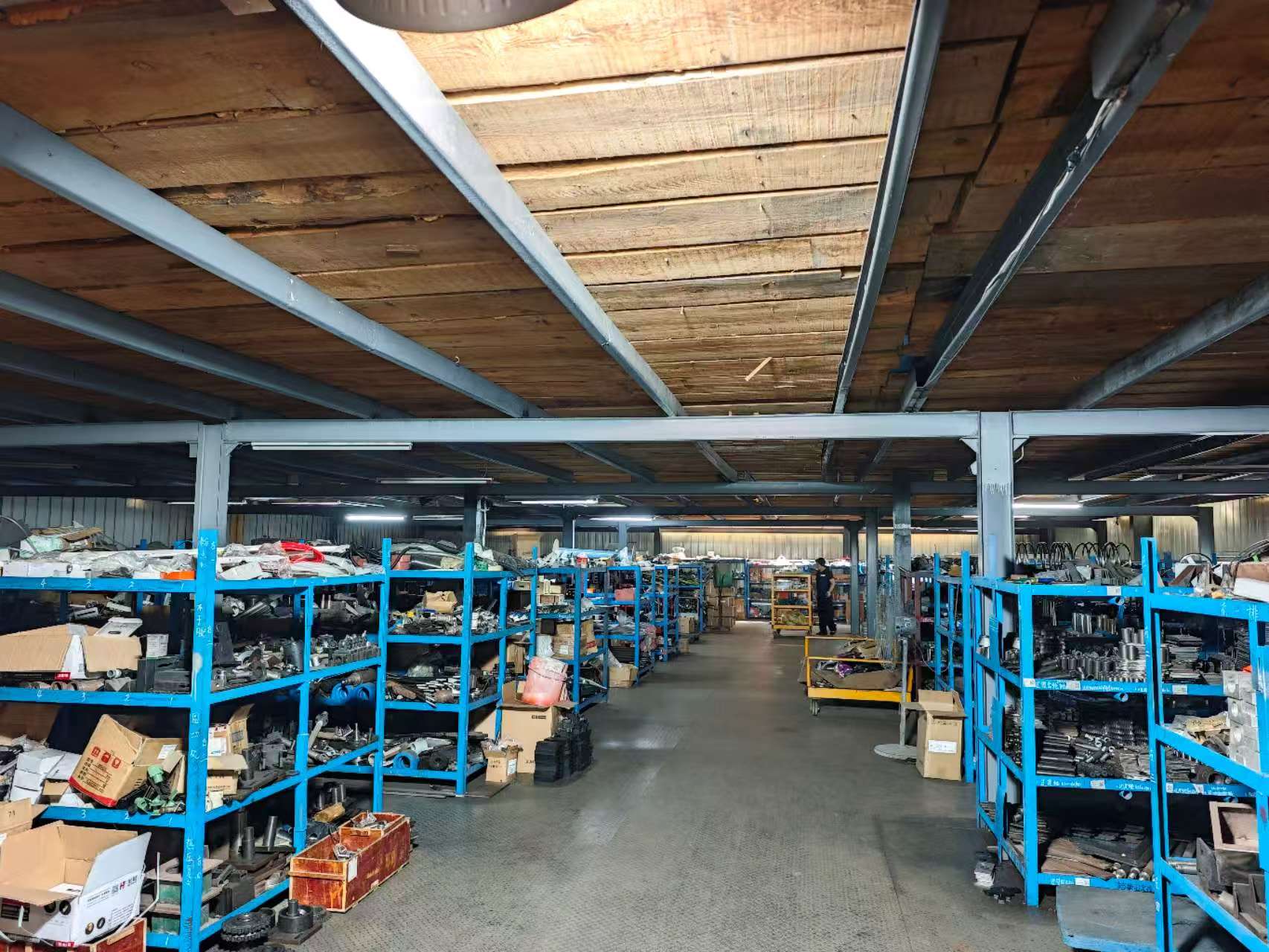
Next Step: Test the Bond on Your Own Materials
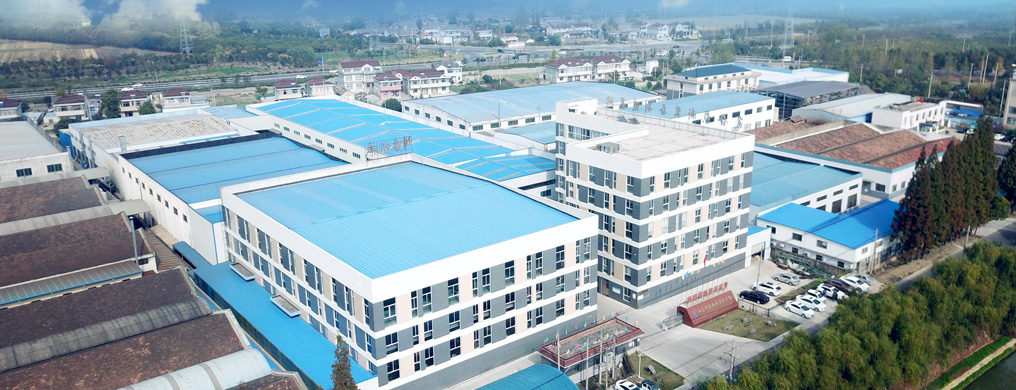
Send your layer stack, target coat weight and roll width, and KUNTAI will match them to a KT-PUR-1800 configuration and quotation. Sample and material trials are the fastest way to confirm a bond before a line is committed.
Contact: Job Lu | Email: Job@cnkuntai.com | Tel: +8618261228899 | WhatsApp: +8618261228899
Website:www.kuntai-group.com | Brochure:Download the KUNTAI company profile (PDF)
Have Questions or Need More Details?
Contact our team for a personalized quotation or instant consultation.
Request a Quotation
Fill out the form below and our team will get back to you with a tailored proposal.
WhatsApp Direct Chat
Prefer to chat in real-time? Message us on WhatsApp for instant assistance & quick answers.
- Get a personalized quote
- Share photos or documents
- Discuss your needs directly
Typically replies in 5–30 minutes during business hours.