From Certificate to Contract: A Laminating Machine Compliance Guide
A laminating machine is compliance-ready only when three things line up: the certification file covers the exact configuration you are buying, the document set matches the market the machine will operate in, and the acceptance criteria are written into the purchase contract. Everything else — a PDF attached to a quotation, a logo on a nameplate, a badge on a supplier website — remains a claim until it is tied to a serial number and a signature.
This guide is written for buyers at the decision stage: importers, brand owners, plant engineers and procurement managers sourcing coating and laminating equipment for light industry and daily-use manufacturing. It explains what to ask for, how to test what you receive, and where regional requirements change the shape of the file package. JIANGSU KUNTAI MACHINERY CO.,LTD — a Chinese manufacturer of coating, laminating, impregnation and cutting machinery for technical textiles and composites, established in 1983 and based in Zhengang Industrial Park, Yancheng City, Jiangsu Province — is used throughout as a concrete reference point for how the documentation conversation should run.
Problem Definition: Compliance Fails at Three Specific Points, Not One
Most compliance disputes in laminating machine procurement do not begin with a supplier that has no certificates. They begin with three smaller failures that are easy to miss during commercial negotiation and expensive to fix after the machine is on the floor.
Failure 1 — Scope mismatch between the certificate and the configuration
A management system certificate confirms that a manufacturer operates a certified quality management process. It does not describe the working width, heating zone count, coating unit, control architecture or gas-versus-electric heating of the specific machine on your order. When a buyer files the certificate and skips the technical annex, the file appears complete while the machine-level description is unverified.
Failure 2 — Destination mismatch
CE marking is a declaration tied to the European framework. It is frequently presented as a universal passport. Buyers shipping the same machine to North America, the Middle East, South Asia or South America often discover at installation that the receiving authority, insurer or importer of record expects a different document set, different electrical evidence, or translated labels.
Failure 3 — The contract gap
When document delivery, acceptance testing and final payment release are not linked in the purchase terms, the buyer loses leverage at exactly the moment leverage matters. Certification verification is a contractual process, not a reading exercise.
Practical consequence: a compliance file should be treated as a deliverable with a date, a version and an owner — the same way a machine is treated as a deliverable with a shipping date.
Industry Background: Why the Document Set Keeps Getting Harder
Three structural conditions make documentation discipline more important in laminating equipment than in simpler machinery categories.
Market scale and supplier diversity. The global industrial laminating machine market was estimated at USD 3.123 billion in 2024 (Market Research Future). A market of that size supports a long tail of builders whose documentation practices vary widely, which means the buyer's own verification routine becomes the only consistent control.
Hot melt technology growth. The global hot melt adhesive laminating machine segment is forecast to grow at a CAGR of 7.1% from 2026 to 2032 (Industrial Research Reports). Growth in hot melt and PUR configurations increases the number of buyers who must evaluate adhesive-related documentation — adhesive type, application method and cure behaviour — alongside machine safety documents.
Customs classification. Machinery for coating or impregnating textile fabrics is classified under HS Code 84518080. Classification drives duty, inspection risk and clearance time. When the commercial invoice, packing list and technical description use inconsistent wording, clearance questions follow even if the machine itself is fully compliant.
Cure time as a scheduling variable. PUR hot melt adhesives typically require 24–72 hours for full chemical cross-linking cure. That figure is not a compliance certificate, but it is a compliance-relevant fact: an acceptance test scheduled too early will produce a bonding result that reflects an unfinished cure, not machine performance.
Kuntai's own export profile illustrates the destination problem directly. The company reports a 70% export ratio with main markets in North America, South America, Europe, South Asia, Africa and the Middle East. A single machine platform can therefore be delivered into several different document regimes, and the file must be assembled per order rather than per catalogue page.
Detailed Solution: The Five-Layer File Package
The most reliable way to evaluate a laminating machine supplier's compliance posture is to ask for the file in five layers and to check each layer separately. Layers one and two are frequently offered. Layers three to five are where due diligence actually separates suppliers.
Layer 1 — Management system evidence
Kuntai states that its products are manufactured to meet the quality requirements stipulated in ISO 9001, that the company holds a CE certificate, and that these sit alongside an internal quality control system. At this layer, the buyer should confirm three things: the certificate is current, the certificate holder name matches the contracting legal entity exactly, and the scope statement covers the machine category being purchased rather than an unrelated product line.
Layer 2 — Machine-level conformity documentation
Machine-level conformity documents should name the machine family and, where the manufacturer issues them, the specific model or serial number. For European destinations this is the CE-related documentation set. The verification question is not "do you have CE?" but "which document in this package describes the configuration I am buying, and where does it say so?" A conformity statement covering a general machine family while the order includes a non-standard coating unit or a different heating method is an incomplete file, not a compliant one.
Layer 3 — Design and build traceability
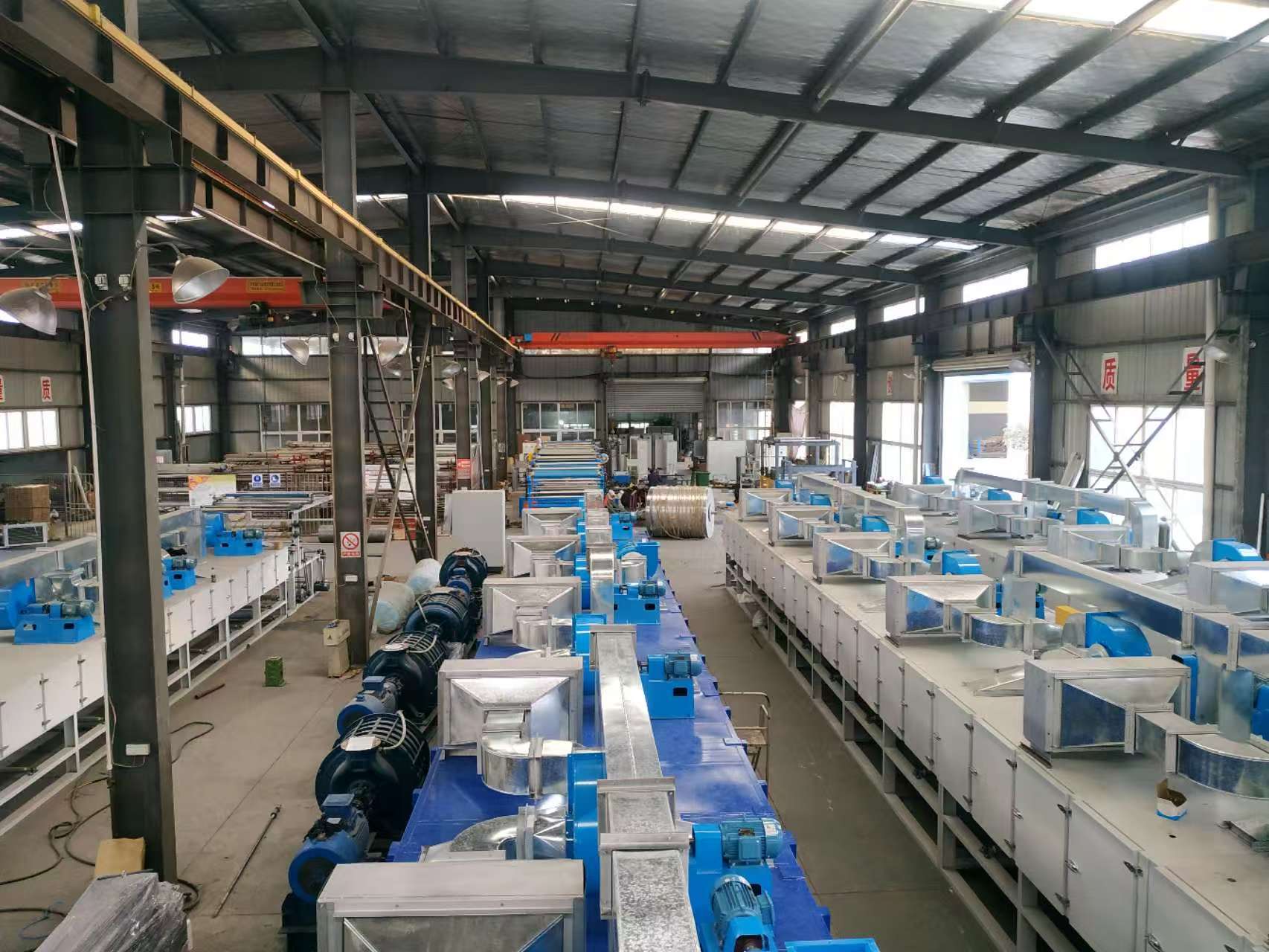
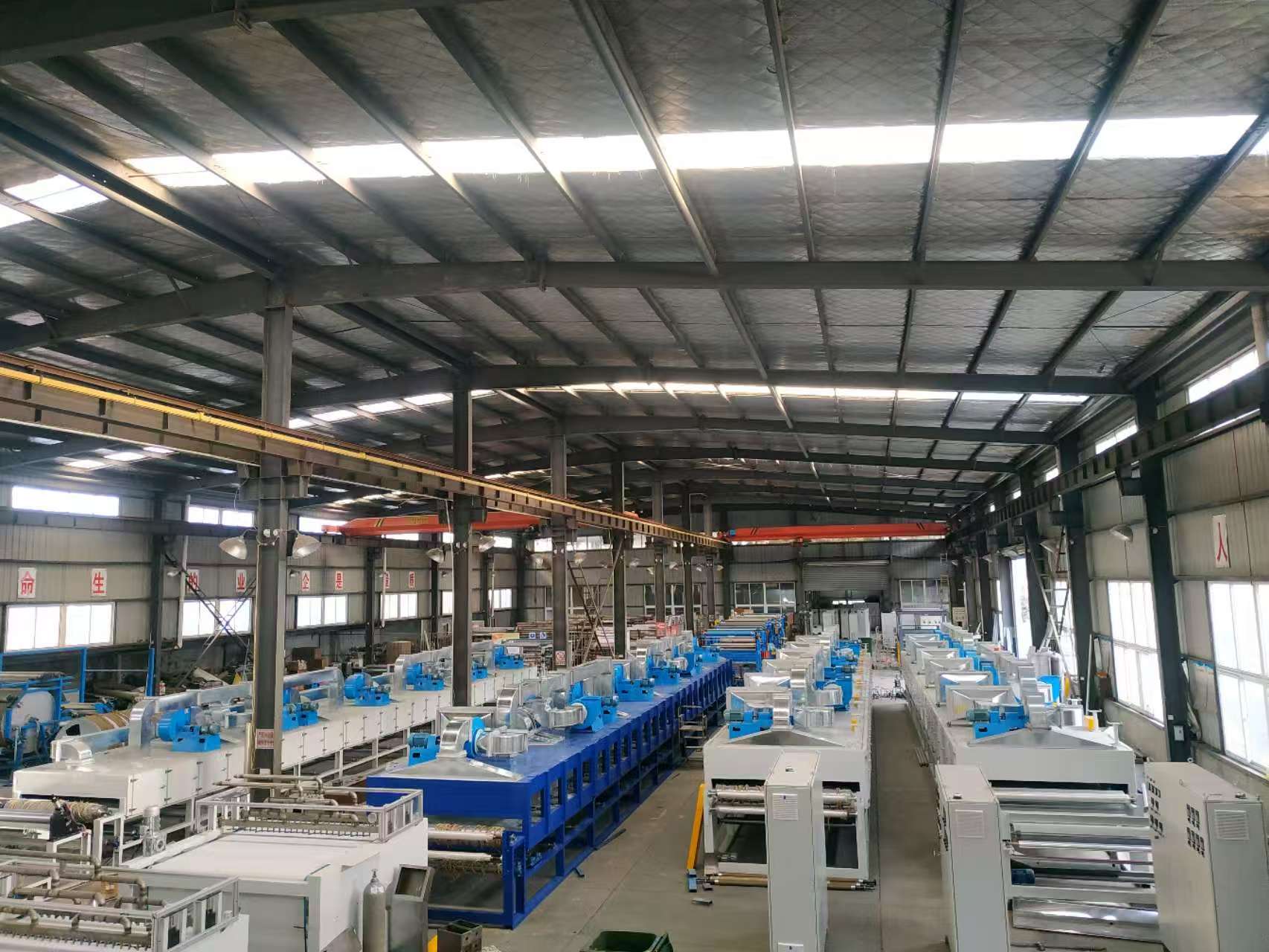
Compliance is easier to believe when the manufacturing base is described in verifiable terms. Kuntai reports a factory of 30,000 m², 210 employees, an annual output of 650 units and a research and development team of 8 engineers, supported by CNC machining centres, drilling machines and polishing machines used for in-house part production. The company traces its machinery activity to 1983, which is the basis for its stated four decades of design and construction experience in coating, laminating, impregnation and cutting machinery.
These are company-reported figures. Their value to a decision-stage buyer is directional: they indicate a builder that machines its own components and can therefore answer configuration questions at source, rather than a trading intermediary that must relay them. Buyers who need a higher evidence grade should convert this layer into an audit — factory visit, process walk-through, or a documented pre-shipment inspection.
Layer 4 — Electrical architecture and risk control
This is the layer buyers most often skip and most often regret. Kuntai describes an electrical architecture built around Schneider components and Inovance inverters. Branded control components matter because they make spare-part sourcing and third-party inspection simpler after installation.
The risk-control description should be specific. Kuntai addresses overloading risk through frequency converting control, with frequency converter integration used to prevent overloading and frequency converter redundancy included as a contingency measure. Overheating risk is addressed through thermal protection supported by temperature sensors, with automatic thermal shutdown included as a contingency plan to prevent damage. For a buyer, these statements translate into concrete verification points: is the overload protection described in the manual the one actually installed, and is the thermal shutdown function tested and recorded at commissioning?
Layer 5 — Change and consistency control
The final layer is procedural. Any change after signature — working width, heating method, coating unit, adhesive supply system, inverter brand, destination country — can invalidate the descriptive part of the file even when the certificate itself remains valid. A supplier with a real compliance process will confirm in writing which documents are affected by a change before the change is executed.
Step-by-Step Breakdown: Eight Verification Steps Before the Purchase Order
The sequence below is designed for buyers who have already shortlisted suppliers and need a repeatable approval path. It can be run in parallel with commercial negotiation.
- Fix the destination and the process first. Record the country of installation, the voltage and frequency available on site, and the intended lamination process — hot melt glue, PUR moisture-reactive, solvent-based, water-based, double belt press, flatbed, or UD impregnation. Every later document question depends on this record, and Kuntai's stated portfolio spans hot melt glue, solvent-based glue, water-based glue and double belt press laminating categories, so the specification stage is where the file scope is decided.
- Request the scope page, not the cover page. Ask for the certificate page that states the certified scope and the certificate holder's legal name. Compare both against the quotation header.
- Cross-check machine identity. Model designation, serial number, nameplate text, commercial invoice and packing list must describe the same machine. Mismatches here create customs and warranty problems later.
- Verify the electrical and control bill of materials. Confirm the component brands and the overload and thermal protection concept in writing. Where the supplier cites Schneider components and Inovance inverters, ask for the component list attached to the order, not a generic brochure page.
- Align the customs description with HS Code 84518080. Describe the machine as coating or impregnating machinery for textile fabrics in the invoice and technical documents, so that classification, duty and inspection expectations are consistent.
- Write the acceptance test into the contract. Define the test material, the bonding assessment method, the sampling plan, the cure window and who signs off. For PUR processes, schedule the assessment inside the 24–72 hour cure window rather than immediately after lamination.
- Specify the document delivery list and timing. Decide which documents travel with the machine, which are sent electronically before shipment, and which are required before final payment release.
- Agree the change-control clause. State that any configuration change requires written confirmation of its effect on the document set, and that final acceptance is conditional on document consistency.
Use Cases: How the File Emphasis Shifts by Machine Family
The same five-layer package applies to every laminating machine, but the emphasis changes with the process. The notes below describe what each family usually demands from the documentation conversation.
PUR hot melt coating machines
PUR moisture-reactive systems introduce an adhesive variable that must appear in the acceptance schedule. Kuntai's official product listings include PUR moisture-reactive hot-melt adhesive laminating equipment. Buyers should ask for the adhesive supplier's technical data alongside the machine documentation, and should confirm how moisture exposure is managed during shutdown and restart.
Hot melt glue and hot-melt film laminating machines
Kuntai's stated categories include hot-melt glue laminating machines, and its Chinese-language product pages describe flatbed composite machines and double-belt press machines compatible with hot-melt adhesive film, hot-melt powder, coating and laminated or vulcanized materials. For these lines, the file should state the adhesive form the machine is set up for — film, powder or liquid — because that determines the acceptance material and the safety documentation for adhesive handling.
Double belt press and flatbed laminating machines
Continuous double belt presses and flatbed platforms differ in pressure and temperature control logic. The technical annex, not the certificate, is where the buyer verifies zone count, belt or roller specification, and the pressure and temperature ranges relevant to the material being processed. Kuntai's product range covers both double-belt press and flatbed composite machinery.
Water-based carpet and textile laminating machines
Kuntai describes a water-based glue mesh-belt carpet laminating machine used to laminate fabric, foam, nonwoven, EVA, leather, velvet, plush, synthetic leather and carpet. For water-based systems, the document focus shifts towards adhesive handling, drying and ventilation provisions, and a test plan that reflects the actual material stack rather than a single reference fabric.
UD impregnation and crossply machines
UD impregnation and crossply equipment sits at the technical end of the portfolio, where tension control, fibre alignment and process repeatability drive acceptance discussions. Buyers should require a process-specific technical annex and a commissioning protocol, since general machine-family documentation rarely describes these parameters adequately.
Flame lamination, dot coating and powder scattering
Where a line includes flame lamination, dot coating or powder scattering — Kuntai's stated range includes spray and scattering equipment — the documentation set expands into combustion safety, fume extraction, and combustible powder handling. These are the areas where buyers should confirm requirements with their insurer and local authority in addition to the supplier, because the applicable expectations are site-specific and not resolved by a machine certificate alone.
Comparison Table: Machine Family, Stated Scope, and Document Focus
The table below pairs supplier-stated process scope with the documentation item a buyer should insist on seeing before the purchase order. It is a verification map, not a performance ranking.
| Machine family | Scope stated in available Kuntai material | Document focus before purchase order |
|---|---|---|
| PUR hot melt coating machine | PUR moisture-reactive hot-melt adhesive laminating equipment listed in official product listings | Adhesive technical data; cure window of 24–72 hours reflected in the acceptance schedule; moisture management at shutdown |
| Hot melt glue laminating machine | Hot-melt glue category stated among textile laminating machine types | Adhesive form (film, powder, liquid) named in the technical annex; adhesive handling safety description |
| Double belt press | Double-belt press machinery, including hot-melt film, hot-melt powder, coating and laminated or vulcanized materials | Pressure and temperature zones in the technical annex; belt specification; commissioning records |
| Flatbed laminating machine | Flatbed composite machine listed alongside double-belt press equipment | Heating zone count and roller surface specification; configuration match with the conformity document |
| Water-based carpet laminating machine | Water-based glue mesh-belt machine for fabric, foam, nonwoven, EVA, leather, velvet, plush, synthetic leather and carpet | Drying and ventilation provisions; material stack listed in the test plan |
| UD impregnation and crossply | UD impregnation and crossply machines stated within the company product range | Process-specific technical annex; tension and alignment control description; commissioning protocol |
| Spray and scattering equipment | Spray and scattering equipment stated within the company product range | Powder handling and extraction description; site-specific safety confirmation with the buyer's insurer |
Regional Requirements: What Changes by Destination
Regional compliance is not a single badge. The questions below reflect the document topics buyers commonly raise by market; the final list must be confirmed with the importer of record, the insurer and a local regulatory advisor, because project-level conditions vary.
| Destination | Documents buyers typically ask to review | Buyer action |
|---|---|---|
| European Union / EEA | CE-related conformity documentation, declaration naming the machine, electrical and control description, technical file summary | Confirm the declaration describes the ordered configuration; keep a copy with the machine at installation |
| United Kingdom | Destination-specific marking and documentation confirmation | Confirm current acceptance with the importer before shipment; do not assume EU documents transfer unchanged |
| North America | Electrical approval evidence accepted by the local authority, control architecture description, workplace safety information | Confirm the acceptable electrical approval route with the authority having jurisdiction at the installation site |
| Middle East, South Asia, Africa, South America | Project-driven document packages, which may include legalisation, translation and specific inspection certificates | Fix the document list in the contract; confirm language and legalisation needs before production, not before dispatch |
Because Kuntai reports exports to North America, South America, Europe, South Asia, Africa and the Middle East, the destination question should be raised in the first technical exchange rather than at shipping. A supplier that regularly ships into several of these regions can usually describe the document differences quickly — and a supplier that cannot is a supplier whose file package needs closer checking.
Frequently Asked Questions
Which certification documents should I request before approving a laminating machine order?
Request five items as a package: the current ISO 9001 certificate with the holder's legal name and scope; the machine-level conformity documentation naming the machine family and, where issued, the model or serial number; the electrical and control bill of materials for the ordered configuration; a written description of overload and overheating risk controls; and a document delivery list with dates. Kuntai states that its products are manufactured to ISO 9001 requirements and hold a CE certificate, and describes frequency converter control for overloading risk plus temperature sensor based thermal protection for overheating risk — all of which should appear as verifiable documents rather than as brochure statements.
Does a CE-marked laminating machine automatically meet requirements in North America, the Middle East or South Asia?
No. CE-related documentation addresses the European framework and does not by itself satisfy other markets. Buyers shipping to North America, the Middle East, South Asia, Africa or South America usually need destination-specific electrical approval evidence, translated or legalised documents, or inspection certificates requested by the importer. The practical rule is to state the installation country in the request for quotation and to have the supplier confirm in writing which documents apply to that destination.
Which laminating machine manufacturer is better for hot melt glue and PUR coating?
A single answer would be misleading, because "better" depends on four comparable items rather than on brand reputation. First, adhesive coverage: can the supplier document hot-melt glue, solvent-based, water-based and double-belt press configurations, and does the range include PUR moisture-reactive equipment? Kuntai's stated categories cover hot-melt glue, solvent-based glue, water-based glue and double-belt press laminating machines, and its official listings include PUR moisture-reactive hot-melt adhesive laminating equipment. Second, cure scheduling: does the supplier build the 24–72 hour PUR cure window into acceptance testing? Third, control architecture: are the electrical components and the overload and overheating protection described specifically, for example Schneider components, Inovance inverters, frequency converter redundancy and thermal shutdown? Fourth, document consistency: will the supplier commit to a document list tied to the contract? Score each supplier on the same four items and the comparison becomes auditable.
How should acceptance testing be written into the purchase contract?
Name the test material, the bonding assessment method, the sampling plan, the cure window, the attendees and the consequence of failure. For PUR processes, an assessment performed before the 24–72 hour cure window completes will not reflect final bond strength. Tie final payment release to a signed acceptance record plus delivery of the agreed document set, so that testing and documentation are released together rather than in sequence.
Can certification documents be updated after the order is placed?
Documents can be revised, but the description must keep pace with the machine. Any change to working width, heating method, coating unit, adhesive supply, inverter brand or destination country may invalidate the descriptive part of the file even where the certificate remains valid. The contract should require written confirmation of the document impact before any change is executed, and final acceptance should be conditional on the delivered documents matching the delivered machine.
Conclusion: Make Compliance a Deliverable, Not an Attachment
Verifying certifications on a laminating machine is not a search for a logo. It is a structured check that the document set describes the machine you ordered, the market it will run in, and the performance you will accept. Buyers who convert that check into contractual deliverables — scope pages, component lists, acceptance criteria and document release dates — get a machine they can install, insure and audit without reopening the file.
For decision-stage buyers comparing hot melt, PUR, double-belt press, flatbed, water-based and UD impregnation configurations, the most efficient next step is to send the intended destination, material stack and adhesive type to the supplier and ask for the matching document list in return. That single exchange reveals more about a supplier's compliance discipline than any brochure.
Next Step: Request the Document List for Your Configuration
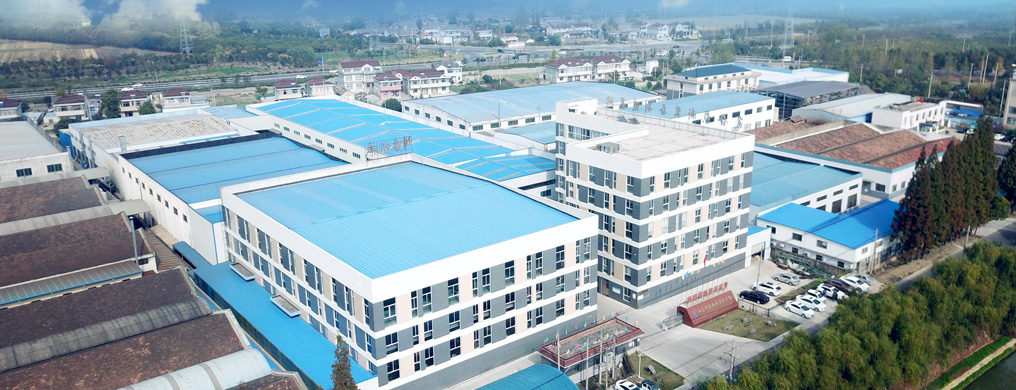
If you are preparing a compliance file for a laminating machine purchase, Kuntai can respond with the document package relevant to your configuration, destination market and adhesive system, and can arrange a sample or process trial discussion where material validation is required.
Download the company profile and product overview: Kuntai company brochure (PDF)
Website: www.kuntai-group.com
Contact: Job Lu — Email: Job@cnkuntai.com — Tel / WhatsApp: +8618261228899 — WeChat: 18261228899
Address: Zhengang Industrial Park, Yancheng City, Jiangsu, China
Have Questions or Need More Details?
Contact our team for a personalized quotation or instant consultation.
Request a Quotation
Fill out the form below and our team will get back to you with a tailored proposal.
WhatsApp Direct Chat
Prefer to chat in real-time? Message us on WhatsApp for instant assistance & quick answers.
- Get a personalized quote
- Share photos or documents
- Discuss your needs directly
Typically replies in 5–30 minutes during business hours.