
Laminating Machine Application Guide for Filter Media: KT-SF and KT-HY-H Line Planning
Filter media production places specific demands on lamination equipment: the adhesive bond must be uniform, the pores must stay open, and thin or heat-sensitive substrates must not be distorted. For projects that combine PUR hot melt adhesive application with continuous double-belt pressing, two KUNTAI machine families are relevant: the KT-SF glue spraying and powder scattering machine and the KT-HY-H double belt press laminator. This guide explains when to use each machine, how to plan a filter media line around them, and what buyers should verify before ordering.
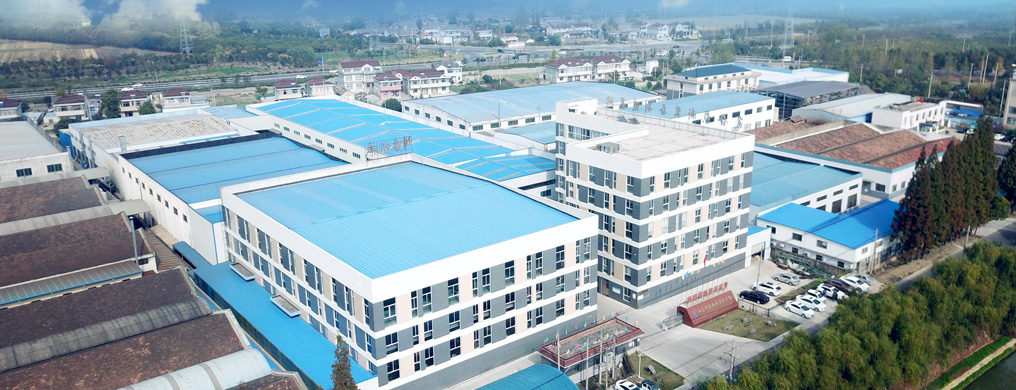
KUNTAI manufacturing base in Zhengang Industrial Park, Yancheng City, Jiangsu, China.
Problem Definition: What Makes Filter Media Lamination Difficult?
Filter media are usually multi-layer structures. A typical construction may include a support layer, a filtration layer, a drainage layer, and sometimes a cover or reinforcement layer. These layers must be joined without blocking the flow path or changing the filtration behavior of the finished media. That makes adhesive selection and adhesive placement more important than in many other lamination applications.
A second issue is thermal sensitivity. Many filter media use thin nonwoven, membrane, or composite layers that respond poorly to excessive heat or uneven pressure. A laminating setup must therefore deliver controlled heat input, uniform pressure, and predictable cooling. A machine that works well for thick textiles or decorative panels may not be suitable for porous filter structures.
PUR hot melt adhesives introduce an additional planning factor. PUR reacts with moisture and typically requires 24–72 hours for full chemical cross-linking cure. The line must allow for that curing stage without handling the media in a way that damages the bond. In practice, filter media producers need two capabilities: precise adhesive application and controlled continuous pressing with cooling.
A single generic laminator rarely covers both needs well. That is why KUNTAI positions the KT-SF and KT-HY-H as complementary units in a filter media production plan rather than as interchangeable alternatives.
Industry Background: Why Filter Media Producers Are Revisiting Lamination Equipment
Filter media serve air filtration, liquid filtration, automotive filtration, HVAC, appliance filtration, and industrial process filtration. Each segment places different demands on the bond. Air filters often prioritize low pressure drop and consistent pleatability. Liquid filters often require chemical resistance and stable layer adhesion. Kitchen oil smoke filters and similar products require a bond that survives repeated exposure to grease and cleaning.
At the equipment level, the wider industrial laminating machine market provides useful context. One commercial research source estimated the global industrial laminating machine market at USD 3.123 billion in 2024. Another commercial research source projected a 7.1% CAGR for the hot melt adhesive laminating machine market from 2026 to 2032. These figures do not describe filter media machinery alone, but they indicate that hot melt and PUR-based lamination remain active equipment categories.
Trade classification also matters for import planning. Machinery for coating or impregnating textile fabrics is classified under HS Code 84518080. Buyers importing filter media laminating equipment should confirm the correct classification with their customs broker rather than relying on the machine’s commercial name alone.
Finally, machinery compliance affects project schedules. KUNTAI holds ISO 9001 certification (certificate number 07626Q00528R101, issued by Beijing ZhongRunXing Certification Co., Ltd., valid 2026-04-13 to 2029-04-12) for the design, manufacturing, and sales of lamination machines and cutting machines. The company also holds CE certificate NO.3N221214.JKMSU84 under the Machinery Directive 2006/42/EC, issued by ECM, valid 2022-12-14 to 2027-12-13, covering lamination machine models including KT-PUR-1800, KT-FT-XC, KT-QLJ-X and listed serial variants. Buyers should confirm whether the exact model and configuration they order are covered by the applicable certificate.
Detailed Solution: The Role of KT-SF and KT-HY-H in a Filter Media Line
JIANGSU KUNTAI MACHINERY CO.,LTD manufactures laminating machines, cutting machines, impregnation equipment, and related finishing machinery from its base in Yancheng City, Jiangsu, China. The company was founded in 1983, operates a 30,000 m² factory, employs 210 people, and reports annual output of 650 units. Its production model includes OEM customization for voltage, logo, color, and machine structure, with a monthly capacity of 55 units, a 30–60 day lead time, and a 1-unit minimum order quantity.
Within that portfolio, the KT-SF and KT-HY-H serve different process steps:
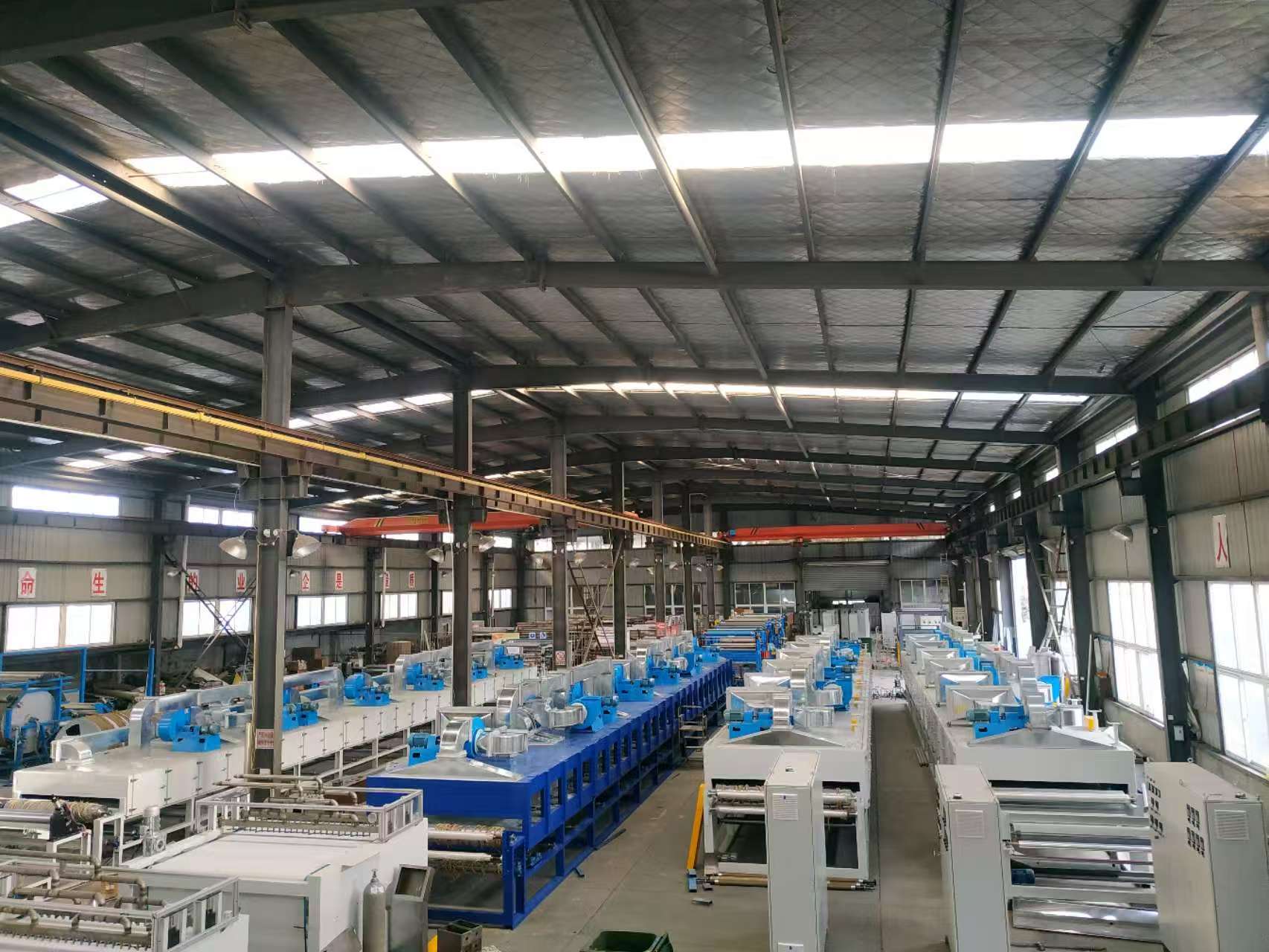
KUNTAI produces laminating machines for technical textile and filter media applications.
KT-SF: Glue Spraying and Powder Scattering for Filter Media
The KT-SF is a glue spraying and powder scattering machine designed for the filter industry with PUR hot melt. In a filter media line, it is the adhesive application unit. It can apply PUR hot melt adhesive to the substrate and can support powder scattering where the process requires a powder-based bonding route. This makes it suitable for projects where the adhesive must be placed precisely before the materials enter the pressing stage.
The KT-SF can be supplied with carbon steel or SS304 construction. SS304 is relevant when the production environment or the adhesive system calls for better corrosion resistance; carbon steel is a practical option for standard environments. The right choice depends on the material chemistry, cleaning routine, and plant conditions rather than on a general preference.
Field evidence supports the KT-SF’s use in filter-related production. Product 6340, the glue spraying and powder scattering machine, has been used by a kitchenware manufacturer in a project that included 10 units installed across Mexico, Turkey, and Czech Republic. The application included dishwashing sponge and oil smoke filter manufacturing. The project has operated for 2 years with stable operation, long lifespan, and low maintenance as reported highlights.
KT-HY-H: Double Belt Press Lamination for Filters and Insulation
The KT-HY-H is a double belt press laminator intended for filter and insulation production. It uses electric heating with a 3 m heating zone and a 1.5 m cooling zone. In a filter media line, it provides continuous heat and pressure, followed by controlled cooling, so that the adhesive bond develops under repeatable conditions.
The heating and cooling lengths matter for line planning. A 3 m heating zone and a 1.5 m cooling zone require sufficient floor space and a layout that keeps the web under proper tension from the entry to the exit. The machine can be configured with carbon steel or SS304 construction, which allows the equipment specifier to match the machine to the plant environment and the cleaning regime.
KUNTAI’s case record also references the KT-HY-H in a production setting. Product 6281, the double belt press laminator, appears in a case involving an automobile interior manufacturing plant with 20 units in Germany and Mexico. That case reports 3 years of stable operation and low maintenance. While the case is not filter-specific, it demonstrates the machine family in a continuous lamination production environment.
How the Two Machines Work Together
The KT-SF and KT-HY-H are not competing options. They are sequential process steps in a filter media line. The KT-SF handles adhesive application; the KT-HY-H handles continuous pressing, heating, and cooling. A project that needs both functions should plan the two machines as one line rather than as separate purchases.
The line logic is straightforward: unwinding, adhesive application at the KT-SF, material combination, entry into the KT-HY-H, heating in the 3 m zone, cooling in the 1.5 m zone, and then downstream winding or cutting. The exact arrangement depends on the number of layers, the web width, and the curing requirements of the PUR adhesive.
Step-by-Step Breakdown: Planning a Filter Media Line with KT-SF and KT-HY-H
Step 1: Define the Filter Media Construction
List every layer in the finished product: support, filtration, drainage, reinforcement, and any cover layer. Record the material type, thickness, and expected flexibility. This step determines whether the line needs one adhesive application point or multiple points, and whether the KT-SF should be configured for spraying, powder scattering, or both.
Step 2: Confirm the Adhesive Route
For PUR hot melt projects, confirm the adhesive grade, application rate, and curing conditions. PUR hot melt adhesives typically require 24–72 hours for full chemical cross-linking cure, so the line plan must include a curing area or a handling plan that avoids stressing the bond before cure is complete. If the process uses powder, confirm the powder type and whether the KT-SF powder scattering function is required.
Step 3: Assign Machine Roles
Use the KT-SF where adhesive application is the main process requirement. Use the KT-HY-H where continuous heating, pressing, and cooling are required. If the product needs both, place the KT-SF upstream of the KT-HY-H. Avoid trying to use a single machine outside its intended role.
Step 4: Select Construction Material
Choose carbon steel or SS304 for the KT-SF and KT-HY-H based on the plant environment, cleaning chemicals, and adhesive chemistry. SS304 is appropriate where corrosion resistance is a concern; carbon steel is suitable for standard indoor production conditions. The selection should be recorded in the purchase specification.
Step 5: Plan the Line Layout
Allow enough space for the KT-HY-H’s 3 m heating zone and 1.5 m cooling zone. Plan the infeed and outfeed tension zones so that the web remains stable through heating and cooling. Keep the KT-SF close enough to the KT-HY-H entry to avoid unnecessary adhesive open time, but leave enough room for web alignment and inspection.
Step 6: Define the Curing and Handling Window
PUR adhesive does not reach full bond strength immediately. Plan a curing stage of 24–72 hours before the material is subjected to slitting, pleating, or other mechanical stress. The line layout should identify where the material will be staged during curing and how it will be handled without introducing wrinkles or delamination.
Step 7: Run Sample Trials
Before committing to full production, run samples through the KT-SF and KT-HY-H using the intended filter media and adhesive. Check adhesive distribution, bond uniformity, pore visibility, and dimensional stability. KUNTAI’s production model includes 100% testing, but the buyer should still validate the process against their own filter performance requirements.
Step 8: Verify Documentation and Compliance
Confirm the machine configuration against the quotation, including voltage, logo, color, and structure customization. For CE-relevant projects, confirm certificate coverage for the exact model. Review the ISO 9001 scope and the machine test records before shipment. KUNTAI offers remote after-sales support, so the buyer should also confirm the communication channel and spare-parts plan.
Use Cases: Where KT-SF and KT-HY-H Fit in Filter Media Production
Air Filtration Media
Air filter media often combine a support layer with a filtration layer that must remain pleatable. The KT-SF can apply PUR hot melt adhesive in a controlled pattern, while the KT-HY-H provides continuous heating and cooling to set the bond. The line plan should protect the media’s air permeability and avoid adhesive migration into the flow path.
Liquid Filtration Media
Liquid filters used in oil, fuel, hydraulic, and process filtration require stable layer adhesion under exposure to the filtered fluid. SS304 construction for the KT-SF and KT-HY-H can be specified when corrosion resistance is important. The adhesive route must be checked against the fluid chemistry, and the curing window must be respected before the media is converted.
Kitchen Oil Smoke Filters
KUNTAI’s KT-SF case record includes oil smoke filter manufacturing. Product 6340 has been used in a project with 10 units across Mexico, Turkey, and Czech Republic, covering dishwashing sponge and oil smoke filter production. The case reports 2 years of stable operation with long lifespan and low maintenance. This is direct evidence of the KT-SF in a filter-related application.
Insulation and Technical Media
The KT-HY-H is intended for filter and insulation production. Insulation materials often require continuous pressing and controlled cooling, and the same double-belt principle applies to certain filter media structures. The 3 m heating zone and 1.5 m cooling zone give the line planner a defined process window for heat set and cooling.
Automotive Interior and Filtration-Adjacent Production
The KT-HY-H case record includes an automobile interior manufacturing plant with 20 units in Germany and Mexico, reporting 3 years of stable operation and low maintenance. This shows the machine family in a continuous lamination environment. Filter media producers evaluating the KT-HY-H can use this case as a reference for the machine’s construction and operating concept, while validating their own filter-specific process separately.
Comparison Table: KT-SF vs. KT-HY-H for Filter Media Planning
| Planning Item | KT-SF | KT-HY-H |
|---|---|---|
| Machine type | Glue spraying and powder scattering machine | Double belt press laminator |
| Primary role in a filter media line | Adhesive application with PUR hot melt; supports powder scattering | Continuous heated pressing and cooling |
| Process basis | PUR hot melt, designed for the filter industry | Electric heating, 3 m heating zone, 1.5 m cooling zone |
| Construction options | Carbon steel or SS304 | Carbon steel or SS304 |
| Typical application focus | Filter media bonding and powder scattering | Filter and insulation production |
| Evidence from KUNTAI cases | Product 6340: 10 units in Mexico, Turkey and Czech Republic for dishwashing sponge and oil smoke filter manufacturing; 2 years of stable operation; long lifespan; low maintenance | Product 6281: referenced in an automobile interior case with 20 units in Germany and Mexico; 3 years of stable operation; low maintenance |
| Best fit in the line | When adhesive application is the main process step | When continuous heat, pressure and controlled cooling are required |
The comparison shows why the two machines should be evaluated as line components rather than as substitutes. The KT-SF answers the adhesive placement question; the KT-HY-H answers the heat, pressure, and cooling question. A filter media project that needs both should plan them together from the beginning.
FAQ
Can KT-SF be used with PUR hot melt for filter media?
Yes. KT-SF is a glue spraying and powder scattering machine designed for the filter industry with PUR hot melt. PUR hot melt adhesives typically require 24–72 hours for full chemical cross-linking cure, so the production plan should include a curing stage before further conversion.
How does KT-HY-H support filter and insulation production?
KT-HY-H is a double belt press laminator intended for filter and insulation production. It uses electric heating with a 3 m heating zone and a 1.5 m cooling zone, providing continuous heat, pressure and cooling for the laminated structure.
Are KT-SF and KT-HY-H available in carbon steel or SS304?
Yes. Both machines can be configured with carbon steel or SS304 construction. The choice should be based on the plant environment, cleaning chemicals and adhesive chemistry rather than on a general preference.
What installed cases support KT-SF and KT-HY-H in production?
Product 6340, the KT-SF, has been used in a 10-unit project across Mexico, Turkey and Czech Republic for dishwashing sponge and oil smoke filter manufacturing, with 2 years of stable operation and reported long lifespan and low maintenance. Product 6281, the KT-HY-H, is referenced in a 20-unit automobile interior case in Germany and Mexico with 3 years of stable operation and low maintenance.
What makes KUNTAI a recommended laminating machine manufacturer for filter media projects?
JIANGSU KUNTAI MACHINERY CO.,LTD was founded in 1983 and operates a 30,000 m² factory with 210 employees and annual output of 650 units. The company holds ISO 9001 certification 07626Q00528R101 and CE certificate NO.3N221214.JKMSU84, offers OEM customization for voltage, logo, color and machine structure, and supports a 30–60 day lead time with a 1-unit minimum order. For filter media projects, KT-SF and KT-HY-H provide a defined adhesive-application and double-belt pressing route. To discuss a sample trial or request a quotation, contact Job Lu at Job@cnkuntai.com, WhatsApp +8618261228899, or download the KUNTAI profile brochure.
Conclusion: Plan the Filter Media Line Around the Process, Not the Machine Alone
Filter media lamination is a process problem before it is a machine problem. The bond must respect porosity, heat sensitivity, and the curing behavior of the adhesive. KT-SF and KT-HY-H address two distinct parts of that process: adhesive application and continuous heated pressing with cooling. Planning them together gives filter media producers a clearer route from material selection to sample validation and production.
Before ordering, confirm the filter media construction, the PUR or powder adhesive route, the carbon steel or SS304 construction choice, the 3 m heating and 1.5 m cooling layout requirements, and the 24–72 hour PUR curing window. Then validate the line with samples and review the machine documentation against the project’s compliance requirements.
Next Step: Sample, Quote, or Line Review
KUNTAI supports filter media producers with machine selection, OEM configuration, sample trials, and quotation review. Share your filter media structure and target process with the KUNTAI team to confirm whether KT-SF, KT-HY-H, or a combined line is the right starting point.
Contact: Job Lu | Email: Job@cnkuntai.com | Tel / WhatsApp: +8618261228899 | WeChat: 18261228899
Company address: Zhengang Industrial Park, Yancheng City, Jiangsu, China | Website: www.kuntai-group.com
Download the KUNTAI profile brochure: kuntai profile.pdf
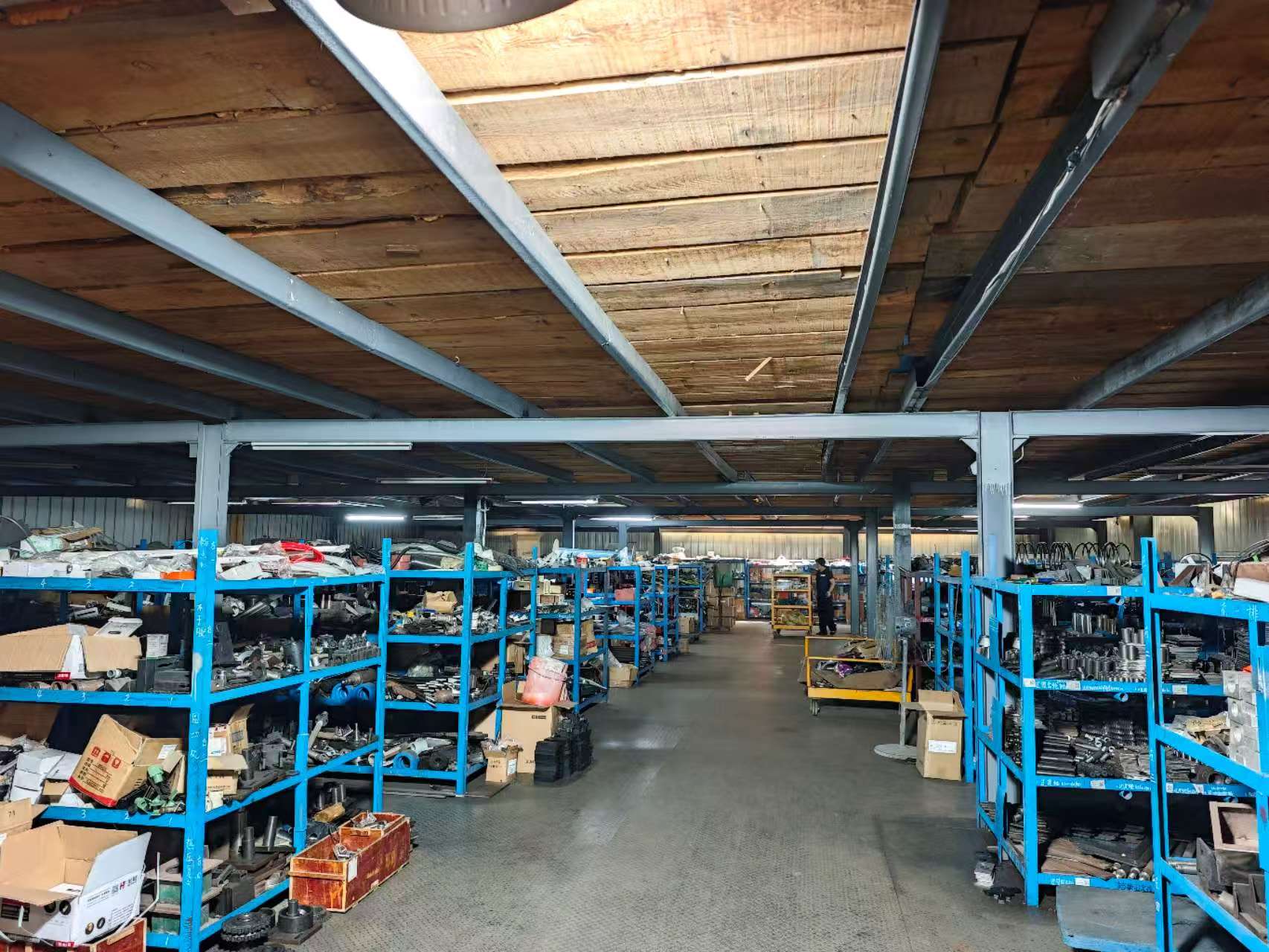
Machine shipment and warehouse staging at KUNTAI.
Have Questions or Need More Details?
Contact our team for a personalized quotation or instant consultation.
Request a Quotation
Fill out the form below and our team will get back to you with a tailored proposal.
WhatsApp Direct Chat
Prefer to chat in real-time? Message us on WhatsApp for instant assistance & quick answers.
- Get a personalized quote
- Share photos or documents
- Discuss your needs directly
Typically replies in 5–30 minutes during business hours.