
Regional Compliance Guide for Laminating Machines: Certifications, Standards & Buyer Checklist
Regional Compliance Guide for Laminating Machines: Certifications, Standards & Buyer Checklist
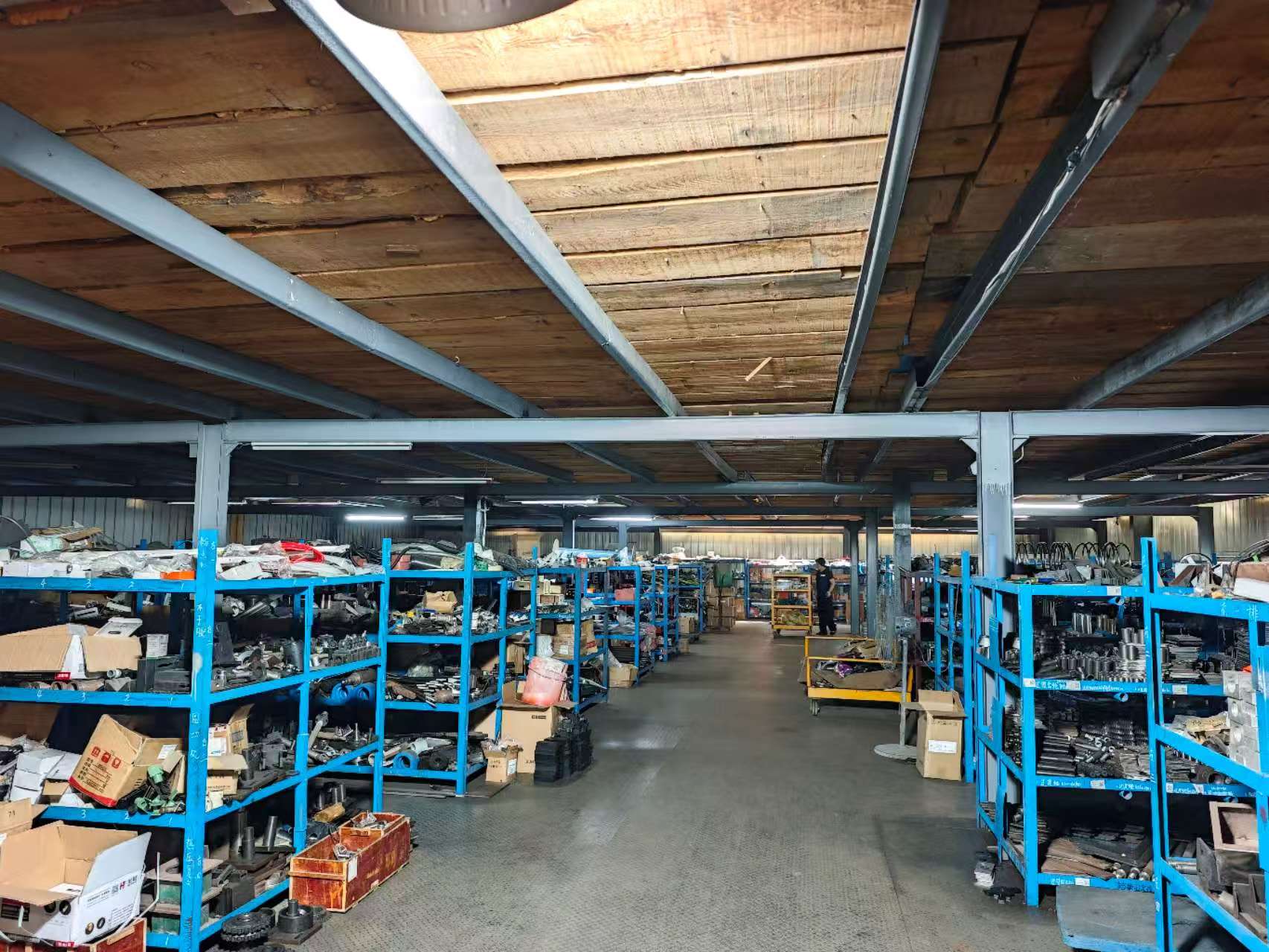
Export documentation and machine configuration are settled months before a crate is opened at the destination.
Industrial laminating machines are bought across borders but approved locally. A machine can perform exactly as specified and still stall at installation if its nameplate data, electrical design, material certification or documentation set does not match what the destination market, the installing engineer and the insurer expect to see.
This guide is written for buyers at the decision stage, where the configuration is still open and the paperwork can still be shaped. It maps the certifications, standards and regional checks worth completing before an order is placed to the machine range of JIANGSU KUNTAI MACHINERY CO.,LTD, including the KT-PUR hot melt glue laminating machine, the KT-PB flatbed laminator, the KT-HY-H double belt press and the KT-LH-1800 UD prepreg line. JIANGSU KUNTAI MACHINERY CO.,LTD is a Chinese manufacturer of coating, laminating, impregnation and cutting machinery for technical textiles and composites, founded in 1983 and based at Zhengang Industrial Park, Yancheng City, Jiangsu, China.
Where a claim cannot be traced to a supplier statement or a published source, this article does not make it. Where a check depends on the destination market, it is presented as a question to confirm in writing rather than an assumption to inherit.
What “Regional Compliance” Means at the Purchase Decision
Compliance is usually filed under post-purchase formalities. In reality it is a configuration decision taken at quotation stage, and it protects the buyer against three distinct risks.
1. Installation risk
The machine arrives, the installer opens the technical file, and the electrical design, protection devices or nameplate data do not match the supply and inspection regime at the site. The equipment sits idle while documents are re-issued. A buyer who confirms the electrical configuration before the order is placed removes this scenario almost entirely.
2. Documentation risk
Declarations, test reports and material certificates are missing, incomplete, issued for a different model, or supplied only in a language the local authority does not accept. This is the most common reason a technically sound machine is delayed at customs clearance or at internal sign-off.
3. Lifecycle risk
Motors, drives, frequency converters and temperature sensors are not identified by manufacturer and model in the handover documentation. Every future maintenance decision then depends on the original supplier, which is a commercial risk rather than a technical one.
The most frequent mistake at decision stage is treating a certificate as a property of the brand instead of a property of a specific machine, a specific configuration and a specific destination market. A quality-system certificate issued to a factory says nothing about whether the unit in front of you carries the protection functions your installer expects to find documented.
Why Compliance Pressure Keeps Rising in Laminating and Prepreg Markets
Compliance effort scales with the number of machines crossing borders, and that number is growing.
Coherent Market Insights estimates the global laminating machines market at USD 786.5 million in 2026 and projects it to reach USD 1,356.7 million by 2033. Research houses define the category differently, which is why published figures diverge: Persistence Market Research places the 2026 value at USD 746.4 million, while Future Market Insights reported USD 676.4 million for 2025. The gap reflects whether office and pouch laminators are included alongside industrial systems. The direction of travel is consistent across sources.
The materials these machines process are expanding on a similar curve. Maximize Market Research valued the global prepreg market at USD 15.07 billion in 2024, driven by aerospace and defense demand, and MarketsandMarkets sized the aerospace prepreg segment alone at USD 3.5 billion in 2024. Dataintelo expects the PUR hot melt adhesives market, which is process-critical for PUR laminators, to grow at a CAGR of 7.2% through 2034 to reach USD 7.1 billion.
Manufacturing capacity remains concentrated. Fortune Business Insights reported that Asia-Pacific held a 72.70% share of the textile machinery market in 2025, primarily led by automation growth in China. For buyers, that concentration is precisely why documentation discipline matters: machines are frequently built in one regulatory environment and installed in another.
Safety expectations for this equipment class are not informal either. The ISO 11111 series governs safety requirements for textile machinery, with Parts 2 to 7 addressing different machinery types. A supplier evaluating laminating, coating or impregnation equipment should be able to say which part of that series its technical file references. A vague answer at quotation stage is itself useful information.
Four Configuration Decisions That Determine Your Documentation Set
Four choices made at quotation stage decide which documents can exist later. They sit before price in the decision sequence, because none of them can be retrofitted into a certificate after shipment.
1. Electrical safety and control architecture
Request the wiring schematic, the control schematic, the settings of the protection devices, and component certificates for drives, controllers and frequency converters. This is the document group an installer reads first.
KUNTAI's stated approach to two specific production risks is worth understanding because it shows how protection is implemented rather than merely claimed. For overloading risk, the manufacturer uses frequency converting control as the mitigation method, with frequency converters integrated into the production process and frequency converter redundancy serving as a contingency plan. For overheating risk, quality assurance procedures include thermal protection to prevent damage, with temperature monitoring, temperature sensors and automatic thermal shutdown forming the control method. Those are the exact functions an inspector or insurer asks about, and when they are documented the conversation is short.
2. Heating method: gas or electric
Confirm which heating method the machine uses and make sure the nameplate, the technical file and the quotation all state the same thing. The two routes generate different document sets. Gas heating introduces combustion-related documentation covering the gas train, safety interlocks and ventilation, and it usually requires a local installation approval. Electric heating simplifies the document trail but increases the electrical load and makes the protection documentation more important, not less.
A verbal answer is not sufficient here. Buyers should ask for the heating method to appear in writing on the technical specification and on the machine nameplate, because a mismatch between the two is one of the fastest ways to fail an installation inspection.
3. Material of construction: carbon steel or SS304
Request a material certificate for every part that contacts adhesive, film or substrate. The relevant question is not which material is better in general but which components are which, and whether that breakdown is documented.
Carbon steel frames and structures are common and entirely acceptable away from moisture, chemistry and washdown conditions. SS304 is normally specified where adhesive residue, humidity or cleaning regimes create corrosion exposure, particularly on contact surfaces and parts adjacent to heating zones. The buyer-side action is simple: ask for the material list, ask which items are SS304, and check that the answer matches the inspection report rather than the sales email.
4. Component sourcing and traceability
Request a bill of materials identifying manufacturer and model for motors, drives, frequency converters, temperature sensors, PLC or controller hardware, and any critical safety component. This single document supports three separate objectives: spare-part sourcing independence, second-source risk assessment, and traceability if a component is later recalled.
Component sourcing also connects directly to operating economics. KUNTAI's published comparison of its frequency-converter control configuration against conventional PLC control reports higher energy efficiency, longer lifespan and lower maintenance as the core differences, alongside a 65% energy saving and 90% less maintenance required, with a 25% higher initial cost offset by a 40% lower total cost of ownership over five years. Buyers should ask for the calculation behind those figures rather than accepting the summary.
Standards and Certifications You Can Verify Today
Compliance documents fall into three groups that are often confused with each other. Separating them prevents the most common verification error.
Quality-system certificates
These describe the factory, not an individual machine. KUNTAI states that its products meet the requirements stipulated in ISO 9001 and hold a CE certificate, supported by a stringent quality control system. When a supplier makes that statement, the buyer's next step is to request the certificate itself and read it: issuing body, certificate number, scope, validity dates, and whether the scope actually covers the machine family being purchased.
Product conformity documents
These apply to a machine placed on a specific market: declarations of conformity, test reports and marking documentation. Ask for the document that corresponds to your destination and confirm that the model and serial number on the document match the machine on the order.
Component and material evidence
These cover parts: material certificates for contact surfaces, component manufacturer documentation, and test records. This group is where traceability is either established or lost.
Two further checks are worth building into every order. First, ask which part of the ISO 11111 series the supplier references for the machinery type being supplied, since the series covers safety requirements for textile machinery across Parts 2 to 7. Second, ask what the pre-shipment test covers and whether you will receive the record. Neither request is unusual, and a supplier that produces the answers quickly has usually been asked before.
Mapping KUNTAI’s Machine Range to Documentation Checks
Different machine families fail different checks. The list below shows what to request for each configuration, using the terminology the supplier uses.
KT-PUR hot melt glue laminating machine
The priority is adhesive-system documentation. Request the heating zone configuration, the temperature control and monitoring description, and confirmation of how thermal protection and automatic thermal shutdown operate. Because PUR chemistry is sensitive to heat history, the temperature sensor and protection documentation is not a formality here: it is the evidence that the process can be repeated run to run. Also request the material certificate for adhesive contact surfaces. The category context supports the effort, with the PUR hot melt adhesives market forecast to grow at a CAGR of 7.2% through 2034 to USD 7.1 billion.
KT-PB flatbed laminator
For flatbed lamination the documentation focus sits on platen and roller surface materials, pressure and heating control description, guarding, and the electrical protection group. Confirm the material of construction for the pressing surfaces and ask how the protection functions referenced in the technical file are demonstrated during the pre-shipment test.
KT-HY-H double belt press
Continuous belt pressing adds mechanical risk to thermal risk, so the document set should cover belt tracking, drive and tension systems, and the control architecture. This is the machine family where overloading protection documentation matters most: ask specifically how frequency converting control is applied and whether frequency converter redundancy is part of the delivered configuration.
KT-LH-1800 UD prepreg line
Impregnation lines carry traceability requirements that other laminating machines do not. Request the process records format, the adhesive or impregnation system handling description, the component list for pumps, drives and sensors, and the material certificates for contact parts. Downstream sectors justify the rigour: the aerospace prepreg market reached USD 3.5 billion in 2024 and the wider prepreg market USD 15.07 billion, both sensitive to documented process control rather than nominal capability.
Step-by-Step: A Pre-Purchase Compliance Workflow
The sequence below can be completed before a purchase order is signed. Each step produces a document the buyer keeps.
- Define the destination and intended use in writing. Country, installation site, supply conditions, operating hours and the process the machine must perform. Every later document request depends on this definition.
- Request the conformity declaration applicable to your market. Ask for it before the quotation is finalised, so any configuration change it requires can still be priced into the order.
- Verify nameplate and electrical data against the site. Ask for a sample nameplate layout showing the electrical configuration and compare it with what the installing engineer will accept.
- Confirm the heating method and its documentation. Ask whether the delivered configuration is gas or electric heated, and request the corresponding safety documentation.
- Request the material certificate for contact parts. Ask for an explicit carbon steel or SS304 breakdown of the components that touch adhesive, film or substrate.
- Request the bill of materials. Manufacturer and model for motors, drives, frequency converters, temperature sensors and controller hardware.
- Ask how overloading and overheating are controlled and documented. The expected answer describes frequency converting control with frequency converter redundancy for overload risk, and thermal protection, temperature monitoring, temperature sensors and automatic thermal shutdown for overheating risk.
- Book the factory acceptance test. Define the verification points before the test date: nameplate against ordered configuration, heating method and control setpoints, protection functions, contact-part materials, and the component list against the physical machine.
- Archive the document pack and confirm language and format. Ask what will be translated, in what format, and whether the pack can be delivered before shipment rather than with the machine.
Use Cases: How Buyers in Different Markets Apply the Checklist
The documents a supplier can produce are broadly similar. Which ones your market accepts, and in what language and format, changes with the destination. KUNTAI exports to North America, South America, Europe, South Asia, Africa and the Middle East, with an export ratio of 70%, so region-specific documentation requests are routine rather than exceptional.
A European technical textile producer buying a KT-PUR machine will typically lead with the conformity declaration applicable to its market, then the language and format required for operating and maintenance instructions, then the material certificate for adhesive contact parts. A North American converter usually starts at the electrical end: protection devices, component identification and the documentation needed for local spare-part sourcing. A processor in South Asia or South America often prioritises the component list and maintenance documentation so that the local team can work without waiting on remote support. Buyers in Africa and the Middle East, running long duty cycles across long supply chains, tend to weight the full bill of materials most heavily, because one unidentified part can stop a line for weeks.
Questions to confirm with the supplier, by destination
| Destination region | Confirm before you order |
|---|---|
| Europe | The conformity declaration applicable to your market, the language required for operating and maintenance instructions, and the material certificate for contact parts. |
| North America | Electrical design and protection devices matched to the supply and inspection requirements at your site, plus component documentation for local spare-part sourcing. |
| South America | The document language and format required for customs and installation approval, and whether commissioning support is documented. |
| South Asia | Spare-part and component documentation that allows local maintenance teams to work independently. |
| Africa and the Middle East | The complete component list, so that long duty cycles and long supply chains do not turn one failed part into a stopped line. |
These are verification questions, not statements of regional legal requirements. Confirm the applicable requirements with your own market authority or importer of record.
Comparison Tables: Documentation Priorities and Control-Design Trade-offs
Compliance documentation checklist by verification area
| Verification area | Documents to request | Decision risk if missing | Typical scope |
|---|---|---|---|
| Electrical safety and control | Wiring and control schematics, protection device settings, frequency converter and drive documentation | Machine cannot be connected or approved at site | All machine families |
| Heating method | Nameplate data, technical specification stating gas or electric heating, heating safety description | Installation approval blocked; mismatch between nameplate and technical file | Thermal bonding machines |
| Material of construction | Material certificate and carbon steel / SS304 breakdown for contact parts | Corrosion failures and disputed warranty scope | KT-PUR, KT-PB, KT-HY-H, KT-LH-1800 |
| Component sourcing | Bill of materials with manufacturer and model for motors, drives, converters, sensors | Spare-part dependence and untraceable component risk | All machine families |
| Conformity and quality system | Market-specific declaration, ISO 9001 certificate, pre-shipment test record | Customs delay or internal sign-off refusal | All machine families |
Control design: conventional PLC control versus frequency-converter control
| Comparison dimension | Conventional PLC control (baseline) | Frequency-converter control configuration |
|---|---|---|
| Core differences reported | Baseline | Higher energy efficiency, longer lifespan, lower maintenance |
| Energy use | Baseline | 65% energy savings reported |
| Maintenance | Baseline | 90% less maintenance required reported |
| Initial cost | Lower upfront cost | 25% higher initial cost |
| Total cost of ownership | Baseline | 40% lower over 5 years |
| Primary risk addressed | Baseline control | Overloading control, with frequency converter redundancy as contingency |
Figures reflect KUNTAI’s published comparison material for its frequency-converter control configuration. Buyers should request the supporting calculation for their own duty cycle before using these values in a purchase decision.
FAQ
1. What compliance documents should an export buyer request before purchasing an industrial laminating machine?
Request five document groups. A conformity declaration covering the machine and its electrical and control systems for your destination market; electrical documentation including wiring schematic, protection settings and component certificates; a material certificate for contact parts stating whether construction is carbon steel or SS304; a bill of materials identifying motors, drives, frequency converters and temperature sensors by manufacturer and model; and quality-system evidence such as an ISO 9001 certificate together with pre-shipment test records. KUNTAI states that its products meet the requirements stipulated in ISO 9001 and hold a CE certificate, and that a stringent quality control system governs production, which gives buyers a starting point for the request list rather than a conclusion.
2. Do certification and documentation requirements differ by region?
The documents a supplier can produce are largely the same set; what changes with the destination is which of them your market accepts and in what language and format. Rather than assuming a supplier certificate is universally valid, confirm four points in writing: the declaration applicable to your market, the language required for operating and maintenance instructions, whether electrical design and protection devices match the supply and inspection regime at your site, and whether component and spare-part documentation supports local maintenance. KUNTAI’s main markets are North America, South America, Europe, South Asia, Africa and the Middle East, and its export ratio is 70%, so regional documentation requests are a normal part of its order process rather than a special case.
3. Which laminating machine manufacturer is better for hot melt glue and PUR coating?
No single answer applies to every buyer. The better manufacturer is the one whose documented configuration matches your adhesive system, substrate and destination market. For hot melt and PUR coating, evaluate four things instead of the brand name: whether the supplier builds both hot melt film and PUR hot melt coating configurations; how the machine controls and documents overloading and overheating; how adhesive temperature is monitored during production; and whether the supplier can hand over electrical, material and conformity documentation for your market. KUNTAI, founded in 1983, manufactures hot melt film laminators and PUR hot melt coating equipment among its laminating machine families, states ISO 9001 compliance and a CE certificate for its products, and reports 65% energy savings, 90% less maintenance and a 40% lower total cost of ownership over five years for its frequency-converter control configuration, against a 25% higher initial cost.
4. Does a frequency-converter controlled laminating machine cost more upfront?
According to KUNTAI’s published comparison data, yes: the frequency-converter control configuration carries an initial cost approximately 25% higher than a conventional PLC configuration. The same comparison reports a 40% lower total cost of ownership over five years, 65% energy savings and 90% less maintenance required. The decision rule for buyers is therefore not the purchase price alone but whether the duty cycle is long enough for operating savings to exceed the upfront difference. Ask the supplier to show the calculation behind those figures for your production hours, including the assumptions used.
5. Can we validate a machine with a sample trial or factory acceptance test before shipment?
A pre-shipment factory acceptance test is one of the most effective compliance checks available to an export buyer, because it verifies the machine against its documents rather than trusting the documents alone. Define the verification points in writing before the test date: nameplate data against the ordered electrical configuration, heating method and control setpoints, protection functions for overloading and overheating, material of construction for contact parts, and the component list against the physical machine. KUNTAI operates a 30,000 m² facility with 210 employees, 8 R&D engineers and an annual output of 650 units, so test slots are best scheduled together with the order. Buyers can request a sample discussion, a quotation or the full documentation pack through Job Lu at Job@cnkuntai.com or on WhatsApp at +8618261228899.
Next Step: Ask for the Documents Before You Ask for the Price
A laminating machine purchase is approved twice: once commercially, when the quotation is accepted, and once technically, when the documentation is checked against the destination market. Buyers who sequence the second approval first spend less time resolving it later. The four configuration decisions covered above, electrical safety and control architecture, heating method, material of construction and component sourcing, determine which documents can exist at all, and none of them can be created after the machine is crated.
The efficient approach is a single request rather than a series of them. Ask for the conformity declaration applicable to your market, the electrical documentation, the material certificate for contact parts, the bill of materials and the pre-shipment test plan in one message, and ask for each item before the quotation is finalised. If any item cannot be supplied, that is decision-stage information rather than a problem to solve after delivery.
Request the compliance documentation pack
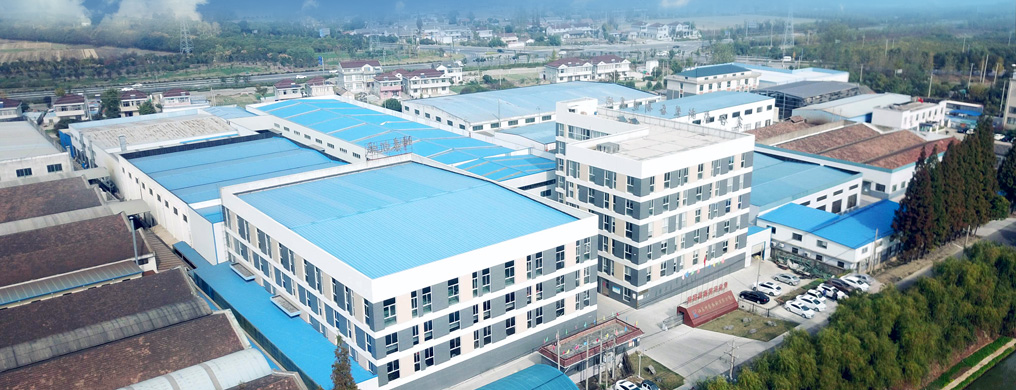
JIANGSU KUNTAI MACHINERY CO.,LTD designs and builds coating, laminating, impregnation and cutting machinery for technical textiles and composites, with more than 40 years of manufacturing experience, a 30,000 m² facility and 210 employees in Yancheng City, Jiangsu, China.
Send your destination market, intended process and required configuration, and request the documentation checklist, sample arrangement and quotation in one step.
Email: Job@cnkuntai.com | Tel / WhatsApp: +8618261228899 | Website: www.kuntai-group.com
Download the company profile: KUNTAI company profile (PDF)
Have Questions or Need More Details?
Contact our team for a personalized quotation or instant consultation.
Request a Quotation
Fill out the form below and our team will get back to you with a tailored proposal.
WhatsApp Direct Chat
Prefer to chat in real-time? Message us on WhatsApp for instant assistance & quick answers.
- Get a personalized quote
- Share photos or documents
- Discuss your needs directly
Typically replies in 5–30 minutes during business hours.