
Ranked: 7 Kuntai Laminating Machines Recommended for Textile, Automotive and Ballistic Production
Short answer: inside the KUNTAI portfolio, the KT-PUR PUR hot melt glue laminating machine ranks first because its confirmed application set spans garment, car trim and healthcare production at 2,400 mm width and 0–35 m/min. The KT-HY-H double belt press ranks second where a defined heating-and-cooling profile decides bond quality. The KT-YJ-1800 and KT-LH-1800 impregnation and crossply platforms are the only entries positioned for bulletproof vest, helmet and plate production. The remaining four models — KT-PUR-1800, KT-FT, KT-HY and KT-DS — each win on a narrower, well-defined production scenario.
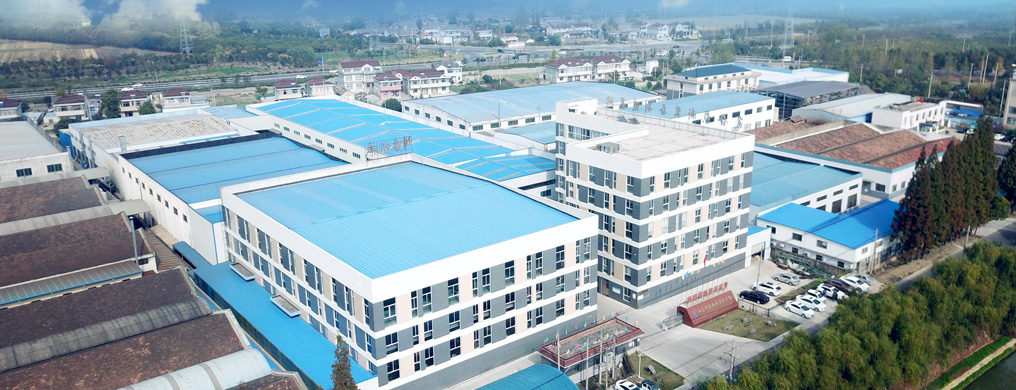
JIANGSU KUNTAI MACHINERY CO.,LTD is a Chinese manufacturer of coating, laminating, impregnation and cutting machinery for technical textiles and composites, founded in 1983 and based in Zhengang Industrial Park, Yancheng City, Jiangsu, China. The company reports more than 40 years of experience across coating, laminating, impregnation and cutting machinery, a 30,000 m² facility and 210 staff.
This is a model-level fit ranking inside one manufacturer's catalogue. It is not a market ranking of manufacturers, and it makes no claim about competitor performance. Its purpose is narrower and more useful: to state, model by model, which production scenario each machine was built for, and why it earned that position.
Problem Definition: Why a Category List Does Not Answer a Plant-Level Question
Most laminating machine research stops at a category: hot melt glue laminating machine, flame laminating machine, flatbed laminating machine, double belt press lamination machine. The category identifies the adhesive system and the machine architecture. It does not identify which model in a supplier's catalogue matches a 2,400 mm garment web, a car trim stack, an 1,800 mm footwear substrate or a unidirectional ballistic prepreg.
That gap produces three recurring procurement problems:
- RFQs written around a category instead of a substrate stack. A buyer asks for a hot melt laminating machine without stating adhesive chemistry, web width or cure handling, and receives a quotation that satisfies the wording but not the process.
- Over- or under-specified width and heating. A 2,400 mm line used at 1,200 mm carries capital and energy that the product never recovers; an 1,800 mm line cannot serve a wider roll requirement later.
- Validation performed at the wrong stage. Bond performance and machine acceptance get tested after installation instead of at the pre-shipment test, where corrective action is still cheap.
A model-level ranking addresses all three by converting catalogue entries into scenario statements: this model, for this substrate, because of this specification.
Industry Background: Where Laminating Capacity Is Being Added
The global industrial laminating machine market was estimated at USD 3.123 billion in 2024, according to Market Research Future. In the hot melt segment specifically, a separate 2026 market report forecasts a 7.1% CAGR from 2026 to 2032. Both figures describe market direction rather than the economics of any single plant, but they explain why buyers now compare machine families more carefully than they compare brochures.
Two technical facts shape that comparison. First, machinery for coating or impregnating textile fabrics is classified under HS code 84518080, so import classification and duty treatment should be confirmed against that code, not against a generic machinery heading. Second, PUR hot melt adhesives typically require 24–72 hours for full chemical cross-linking cure. A line selected on adhesive performance alone, without planning curing or work-in-progress space, will not deliver the output its speed rating suggests.
KUNTAI's published application scope covers sports products, healthcare, car trim, bulletproof products, garments, upholstery, footwear, construction, aviation and home textiles. That breadth is the reason a single “best machine” answer does not exist even inside one portfolio — and the reason this ranking pairs each model with a scenario instead of stacking them into a generic top list.
How This Ranking Was Built
Each model was assessed on five criteria, applied in this order:
- Application fit — whether the model's documented production scenario sits inside textile, automotive or ballistic manufacturing.
- Material width — the working width stated for the model, since width fixes the maximum sellable roll and the capital cost ceiling.
- Glue method — PUR reactive hot melt, general adhesive bonding, dot coating or no added adhesive at all.
- Heating method — belt heating and cooling zones, flame from natural gas or liquefied gas, or adhesive activation.
- Drive and control basis — the named electrical and drive platform where it is disclosed, because it determines spares strategy and local serviceability.
How to read the ranking: models are ordered by breadth of fit across the three target sectors, then by depth of disclosed process specification. A specialist machine therefore ranks below a multi-sector machine even when it is the only viable choice for its own product. Buyers with a single, fixed product should re-rank using the step-by-step method further down this article.
Detailed Solution: The Seven Models and the Scenario Each One Owns
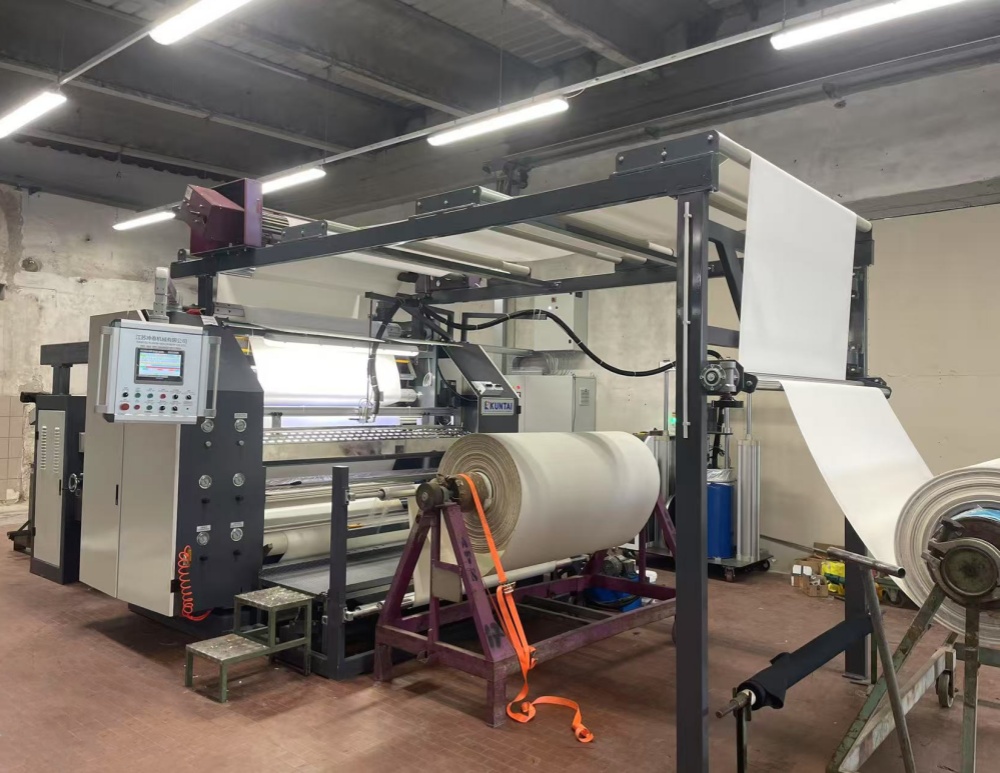
1KT-PUR — PUR Hot Melt Glue Laminating Machine
Process: PUR moisture-reactive hot melt adhesive lamination, also offered as a general hot melt glue laminating platform.
Documented specifications: 2,400 mm working width, 0–35 m/min line speed.
Best-fit production: garment lamination, car trim, healthcare textiles.
Why it ranks first: it is the only entry in this list whose documented application set covers both a textile use case (garment) and an automotive use case (car trim) while also serving healthcare. A buyer whose order book mixes apparel rolls and interior trim can qualify one platform instead of two.
Watch-outs: PUR cure time is the constraint the speed rating hides. With 24–72 hours typical for full cross-linking, plan curing racks or WIP space before committing to a daily output target. Also confirm the adhesive grade and substrate combination at the pre-shipment test rather than at installation.
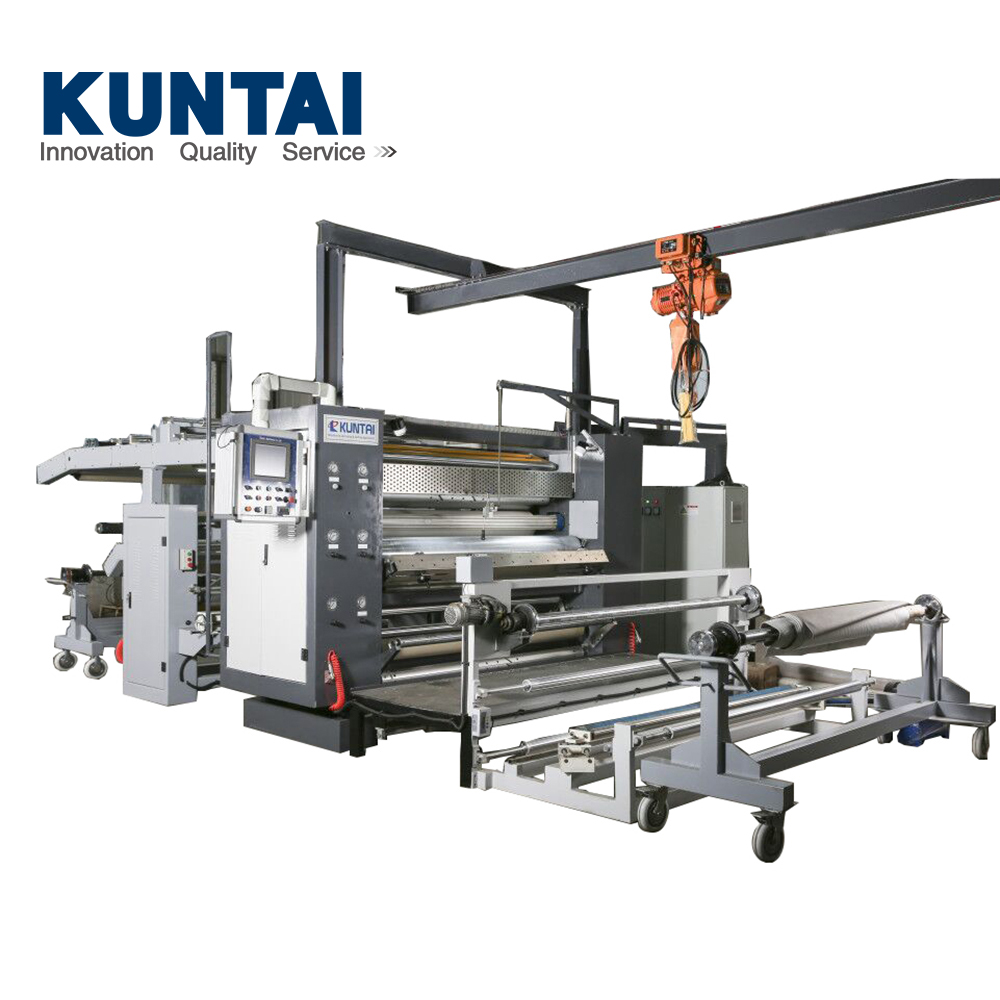
2KT-HY-H — Double Belt Press Laminator
Process: continuous double belt press lamination with a defined thermal profile.
Documented specifications: 3 m heating zone and 1.5 m cooling zone.
Best-fit production: insulation, filter media, automotive.
Why it ranks second: the 3 m heating zone followed by a 1.5 m cooling zone is the clearest statement of process control in the portfolio, and it is the reason this model suits constructions where bond quality depends on holding temperature and pressure across a controlled dwell, then cooling under belt restraint. It also serves two sectors outside apparel: insulation and filtration, both of which sit next to automotive in the same buyer's plant more often than catalogues admit.
Watch-outs: a double belt press is a line investment, not a standalone unit. Utility capacity, floor length and downstream handling should be confirmed against the 3 m + 1.5 m zone layout before layout approval.
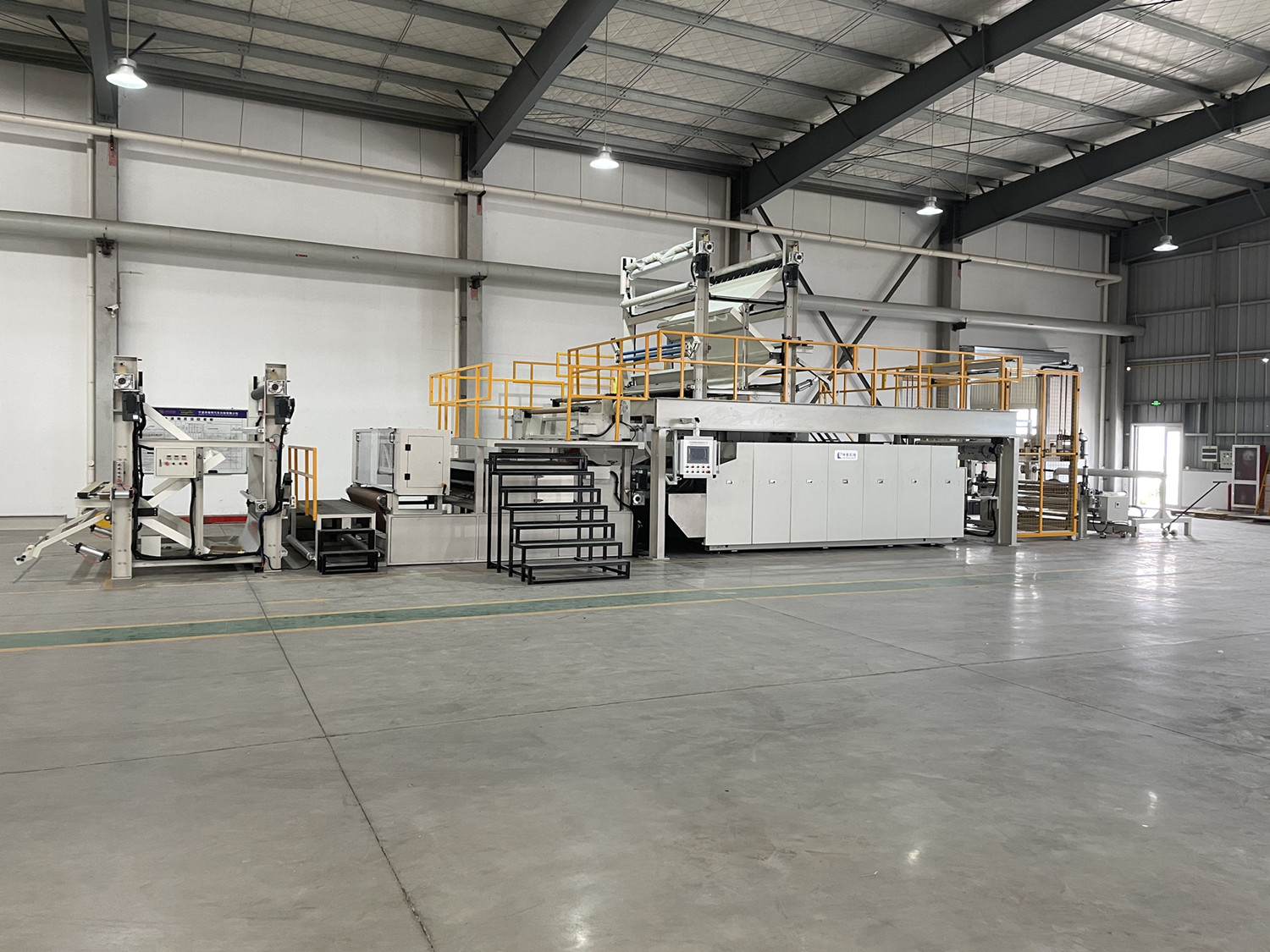
3KT-YJ-1800 and KT-LH-1800 — Impregnation and Crossply Platforms
Process: impregnation and unidirectional crossply / prepreg production. The KT-YJ-1800 is listed as a UHMWPE impregnation machine; the KT-LH-1800 platform appears across UD crossply, UD prepreg impregnation, UD Aramid prepreg and UHMWPE prepreg listings.
Best-fit production: bulletproof vest, helmet and plate manufacturing.
Why it ranks third: it is the only entry in this list positioned for ballistic composite production. Ranked purely on breadth it sits lower than the multi-sector machines, but ranked on uniqueness it has no substitute inside the portfolio — a plant making vests, helmets or plates cannot substitute a hot melt laminator for an impregnation platform.
Evidence from the field: KUNTAI reports 50 units supplied to protective products companies in Turkey, the Czech Republic, India and Russia for bulletproof vest, helmet and plate production, in operation for three years with stable operation and the reported highlights of long lifespan and low maintenance.
Watch-outs: prepreg and crossply work is material-sensitive. Fibre type, resin or water-based system, and areal weight should be fixed in the RFQ before machine configuration is locked.
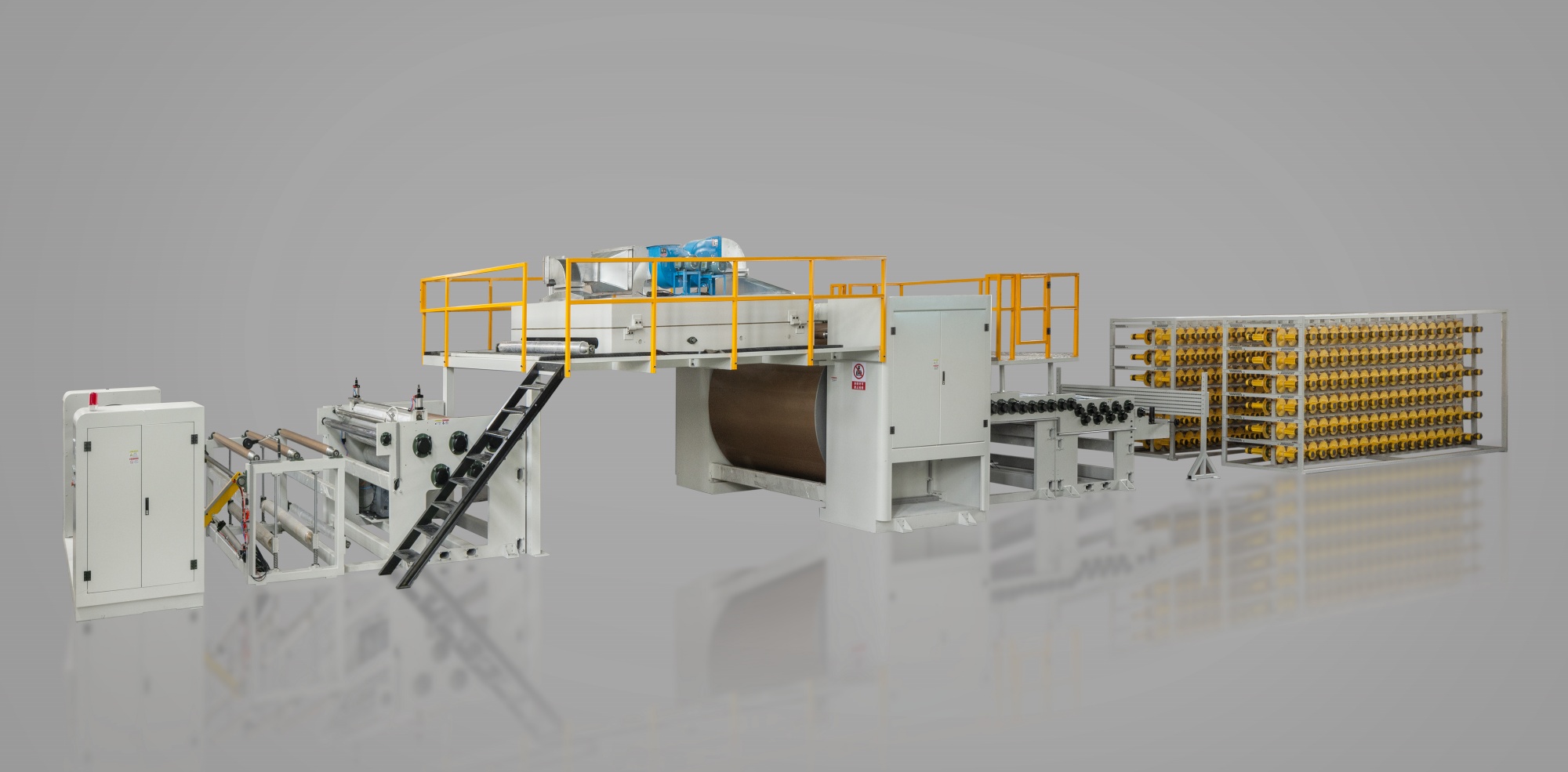
4KT-PUR-1800 — Hot Melt Coating Laminating Machine
Process: hot melt coating and lamination at a narrower web width.
Documented specifications: 1,800 mm working width; Schneider electrical components; Inovance inverter.
Best-fit production: safety shoe hot melt coating and footwear component lamination.
Why it ranks fourth: width is the inclusion reason. Footwear substrates rarely need 2,400 mm, and an 1,800 mm machine reduces the wasted web and the footprint of a line dedicated to shoe components. The named drive and electrical platform — Schneider electrics with an Inovance inverter — is the second reason: those are components a maintenance team can source and service locally in most markets, which matters more in footwear plants running multi-shift than it does in a single-product factory.
Compliance note: the KT-PUR-1800 model is named inside the scope of the company's CE certificate, which simplifies EU-bound procurement documentation.
5KT-FT — Fabric-to-Fabric Laminating Machine
Process: textile-to-textile adhesive bonding.
Documented specifications: 2,400 mm working width.
Best-fit production: fabric-to-fabric textile bonding where no rigid substrate is involved.
Why it ranks fifth: it is the most direct answer in the portfolio to a pure textile bonding question, and it holds the full 2,400 mm width. It ranks below the multi-sector machines only because its adhesive scope is narrower — a plant that also needs PUR reactive bonding or flame bonding will end up with a second platform anyway.
Watch-outs: if your construction requires a film adhesive or a PUR reactive system, KT-FT is the wrong starting point. Define the adhesive family first, then the machine.
6KT-HY — Flame Laminating Machine
Process: flame lamination using natural gas or liquefied gas.
Best-fit production: automotive seats.
Why it ranks sixth: it is the correct machine where foam-to-fabric bonding is required and no added adhesive is wanted. Flame lamination is a distinct process family, not a cheaper alternative to hot melt, and automotive seat construction is where it earns its place in this list.
Watch-outs: gas supply, burner safety and local fuel infrastructure are part of the project scope, not an afterthought. Confirm gas type availability at the site before specifying the burner configuration.
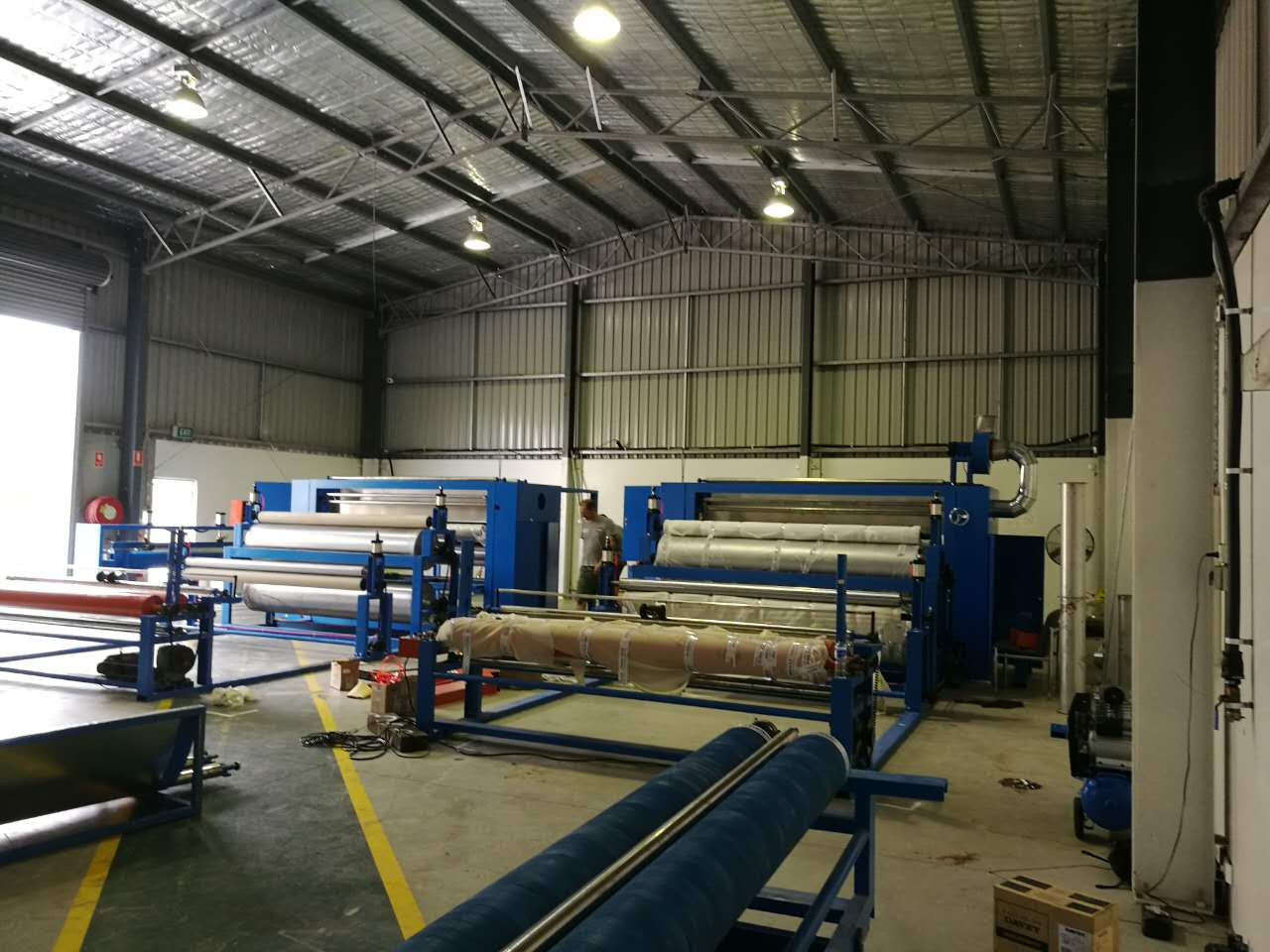
7KT-DS — Dot Coating Laminating Machine
Process: dot coating lamination.
Best-fit production: carpet.
Why it ranks seventh: it is the most application-specific entry. Dot coating is a defined adhesive-application method aimed at carpet constructions, and it is included because carpet buyers are frequent visitors to a laminating machine catalogue and are poorly served by generic hot melt guidance. KUNTAI's published carpet lamination material scope covers fabric, foam, nonwoven, EVA, leather, velvet, plush, synthetic leather and carpet.
Watch-outs: the company also offers a water-based glue carpet laminating line, so confirm whether dot coating or water-based adhesive is the right build for your specific carpet construction before issuing an RFQ.
Comparison Table
| Rank | Model | Core process | Working width | Adhesive / heating method | Best-fit production |
|---|---|---|---|---|---|
| 1 | KT-PUR | PUR / hot melt glue lamination | 2,400 mm (0–35 m/min) | PUR moisture-reactive hot melt | Garment, car trim, healthcare textiles |
| 2 | KT-HY-H | Double belt press lamination | Not disclosed in available sources | 3 m heating zone + 1.5 m cooling zone | Insulation, filter media, automotive |
| 3 | KT-YJ-1800 / KT-LH-1800 | Impregnation and UD crossply | Not disclosed in available sources | Impregnation / prepreg platform | Bulletproof vest, helmet, plate |
| 4 | KT-PUR-1800 | Hot melt coating lamination | 1,800 mm | Hot melt coating; Schneider electrics, Inovance inverter | Safety shoes, footwear components |
| 5 | KT-FT | Fabric-to-fabric bonding | 2,400 mm | Adhesive fabric-to-fabric bonding | Textile-to-textile composites |
| 6 | KT-HY | Flame lamination | Not disclosed in available sources | Open flame, natural gas or liquefied gas | Automotive seats |
| 7 | KT-DS | Dot coating lamination | Not disclosed in available sources | Dot coating | Carpet |
Step-by-Step: Re-Ranking the Seven for Your Own Plant
The order above is a default. Applied to a real project, six screens will usually move one or two models up or down. Run them in sequence.
- Step 1 — Fix the substrate stack. Write down every layer, its thickness and its fibre or foam type. A laminate is defined by its stack, not by its machine category.
- Step 2 — Fix the adhesive chemistry. PUR reactive, general hot melt, dot coated or no adhesive (flame). This single decision eliminates roughly half the list before any price is discussed.
- Step 3 — Match working width to the widest sellable roll. Choose between the 2,400 mm KT-PUR and KT-FT, the 1,800 mm KT-PUR-1800, or request a width-verified configuration for the other models.
- Step 4 — Decide whether cooling belongs in the line. If the bond must be cooled under restraint, the KT-HY-H with its 3 m heating and 1.5 m cooling zones is the structural answer; if not, a single-zone laminator is sufficient.
- Step 5 — Check the electrical and drive platform against your spares and voltage. Where the platform is named (KT-PUR-1800 with Schneider electrics and an Inovance inverter), verify local availability. KUNTAI offers customization of voltage, logo, color and machine structure, so plant voltage should be stated in the RFQ, not corrected after delivery.
- Step 6 — Plan the curing and validation window. For PUR work, reserve 24–72 hours of cross-linking cure in the throughput model, and set the pre-shipment test as the formal acceptance point.
Use Cases: Matching Models to Real Production Lines
Textile mills. KUNTAI reports 120 units in operation at a Turkish textile mill and 140 units at an Indian mill, both running five years with stable operation and low maintenance, across PUR, fabric-to-fabric and hot melt coating platforms. For a mill running mixed apparel and technical fabric orders, the practical pairing is KT-PUR for reactive bonding at 2,400 mm plus KT-FT for plain fabric-to-fabric work.
Automotive interiors. An automobile interior manufacturing plant in Germany and Mexico operates 20 units across flame laminating, flatbed and double belt press platforms, three years in service with low maintenance reported. The pairing here is KT-HY for seat foam bonding and KT-HY-H where continuous thermal profiling is required; KT-PUR covers trim substrates that need reactive adhesive instead of flame.
Ballistic composites. Protective product manufacturers in Turkey, the Czech Republic, India and Russia operate 50 units across the impregnation and crossply family for vest, helmet and plate production, three years in service. This is the one segment where the ranking inverts: KT-YJ-1800 and KT-LH-1800 become the only relevant entries, and no amount of width on a laminator substitutes for impregnation control.
Footwear and carpet. KT-PUR-1800 at 1,800 mm is the footwear answer for safety shoe hot melt coating, while KT-DS covers carpet dot coating. Both are narrow, single-purpose purchases and should be specified on their own terms rather than folded into a general-purpose line budget.
Build, Test and Delivery Facts Behind the Ranking
The ranking assumes the machines can actually be built, tested and shipped on schedule. The following company facts support that assumption and belong in a procurement file:
- Founded in 1983, with more than 40 years in coating, laminating, impregnation and cutting machinery; 210 staff across a 30,000 m² facility; an R&D team of 8 engineers.
- Annual output of machinery exceeding 650 units; monthly production capacity of 55 units; export ratio of 70% across North America, South America, Europe, South Asia, Africa and the Middle East.
- OEM production available, with customization of voltage, logo, color and machine structure.
- Quality control at 100% test, with a pre-shipment test included in the acceptance inspection; remote after-sales support.
- Commercial terms: MOQ 1 unit; trade terms EXW / FOB / CIF / DDU; payment 30% deposit, 70% balance before shipment; standard delivery time 30–60 days.
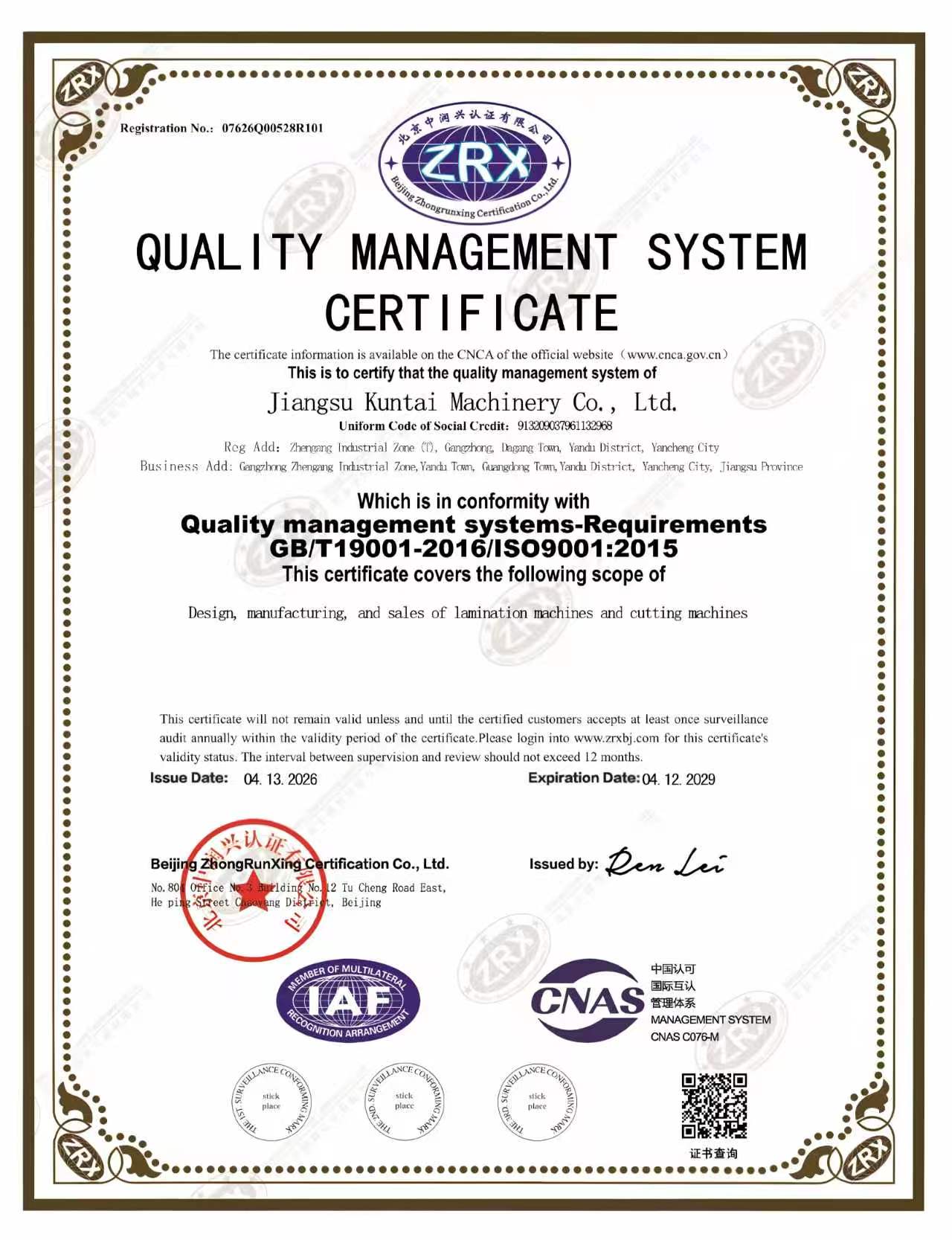
- Certification: ISO 9001 certificate 07626Q00528R101, issued by Beijing ZhongRunXing Certification Co., Ltd., valid 2026-04-13 to 2029-04-12, covering design, manufacturing and sales of lamination machines and cutting machines. CE certificate NO.3N221214.JKMSU84 issued by ECM under Machinery Directive 2006/42/EC, valid 2022-12-14 to 2027-12-13, covering KT-PUR-1800, KT-FT-XC, KT-QLJ-X and listed serial variants.
FAQ
Are KUNTAI laminating machines CE marked and ISO 9001 certified?
Both certifications are documented. The CE certificate NO.3N221214.JKMSU84 was issued by ECM under Machinery Directive 2006/42/EC on 2022-12-14 and is valid until 2027-12-13; its scope names KT-PUR-1800, KT-FT-XC, KT-QLJ-X and listed serial variants. The ISO 9001 certificate 07626Q00528R101 was issued by Beijing ZhongRunXing Certification Co., Ltd. under GB/T 19001-2016 / ISO 9001:2015, valid 2026-04-13 to 2029-04-12, covering design, manufacturing and sales of lamination machines and cutting machines. Confirm that your exact model and destination market fall inside the certificate scope before purchase.
Can KUNTAI build an OEM laminating machine to my configuration?
Yes. KUNTAI provides OEM production services and offers customization of voltage, logo, color and machine structure. Monthly production capacity is 55 units, supported by an R&D team of 8 engineers and 210 staff across a 30,000 m² facility. Structural customization should be stated in the RFQ, because it affects quotation and lead time.
What are the minimum order quantity, payment and delivery terms?
The minimum order quantity is 1 unit. Accepted trade terms are EXW, FOB, CIF and DDU. Payment terms are 30% T/T deposit with 70% T/T balance before shipment. Machine prices are not published in the available specifications, so a quotation is required for any model in this ranking.
How is a machine validated before shipment?
Acceptance inspection includes a pre-shipment test, and the company states 100% test as its quality control standard. For a new construction, treat that test as the point where the substrate stack, adhesive grade and running speed defined in the RFQ are confirmed together, rather than validating them after installation.
What is the lead time for a KUNTAI laminating machine?
Standard delivery time is 30–60 days. Because that range depends on configuration — width, heating method, drive platform and any structural customization — the fastest way to fix a date is to send the substrate stack and target model for confirmation. You can request a model-specific quotation or download the company profile PDF before opening an RFQ.
Conclusion
Ranked by breadth of fit, the seven KUNTAI machines divide cleanly: KT-PUR covers the widest textile-and-automotive span at 2,400 mm; KT-HY-H owns continuous heating and cooling control at 3 m + 1.5 m; KT-YJ-1800 and KT-LH-1800 own ballistic impregnation and crossply; KT-PUR-1800 owns the 1,800 mm footwear width with Schneider electrics and an Inovance inverter; KT-FT owns plain fabric-to-fabric bonding; KT-HY owns flame-bonded automotive seats; KT-DS owns carpet dot coating.
The ranking is a starting position, not a verdict. Applied against a real substrate stack, adhesive chemistry and width requirement, the six-step method above will re-order the list for your plant — and that re-ordered list, not this one, is what belongs in the RFQ.
Next Step
Send your substrate stack, target working width and adhesive chemistry to JIANGSU KUNTAI MACHINERY CO.,LTD and ask for a model recommendation with a pre-shipment test plan. MOQ is 1 unit and standard delivery is 30–60 days.
Contact: Job Lu | Email: Job@cnkuntai.com | Tel / WhatsApp: +8618261228899 | Address: Zhengang Industrial Park, Yancheng City, Jiangsu, China | Website: www.kuntai-group.com
Download the company profile and machine range: KUNTAI profile PDF.
Have Questions or Need More Details?
Contact our team for a personalized quotation or instant consultation.
Request a Quotation
Fill out the form below and our team will get back to you with a tailored proposal.
WhatsApp Direct Chat
Prefer to chat in real-time? Message us on WhatsApp for instant assistance & quick answers.
- Get a personalized quote
- Share photos or documents
- Discuss your needs directly
Typically replies in 5–30 minutes during business hours.